

A lot of people notice the same thing after a few weeks of regular walking: posture improves, the body feels lighter, and standing in the mirror somehow looks different. Taller, almost. That experience fuels one of the internet’s most persistent health questions: can walking actually increase height?
The short answer is walking does not directly make bones grow longer after skeletal maturity, but it absolutely influences posture alignment, bone health, mobility, and overall physical development during childhood and adolescence.
That distinction matters.
In the United States, searches like “does walking help you grow taller” or “walking and height growth” spike around teenage years and fitness trends. In Vietnam, cultural beliefs around stretching, basketball, and daily walking often connect exercise with maximizing growth during adolescence. Social media blends those ideas together, and suddenly a simple habit like walking gets marketed as a hidden height-growth hack.
Biology is less dramatic than marketing. Still, it’s interesting.
Human height depends mostly on genetics, hormones, nutrition, sleep quality, and whether growth plates remain open. Walking supports several of those systems indirectly, especially in children and teens. Adults, meanwhile, usually experience posture-related height changes rather than actual skeletal growth.
That’s where the real story begins.
1. How Height Growth Actually Works
Height growth follows a biological process controlled by genetics, hormones, nutrition, and skeletal development.
The main players are the long bones in the legs and spine. During childhood and puberty, these bones grow from soft cartilage areas called growth plates, also known as epiphyseal plates. The pituitary gland releases human growth hormone (HGH), which stimulates production of insulin-like growth factor 1 (IGF-1). That hormone combination drives bone elongation.
Once growth plates close, vertical bone growth stops.
For most females, growth plates usually close between ages 14 and 16. For most males, closure happens around ages 16 to 18, though late puberty can extend that timeline slightly. After skeletal maturity, the body still remodels bone tissue through osteoblast cells and bone remodeling cycles, but bones don’t become longer.
That’s the key biological limit many viral height-growth claims ignore.
Genetics Shapes the Blueprint
Genetics determines roughly 60% to 80% of adult height according to multiple population studies referenced by the CDC and WHO. Hereditary traits strongly influence skeletal structure, limb proportions, and growth timing.
Still, genes aren’t destiny in a strict sense.
Nutrition, sleep quality, illness, stress, and physical activity influence whether someone reaches genetic height potential. Two teenagers with similar genetics can end up several centimeters apart if one experiences chronic malnutrition or poor sleep during puberty growth stages.
That pattern appears globally. In countries with improving childhood nutrition and healthcare access, average height often rises across generations.
Puberty Changes Everything Fast
Adolescence growth spurts happen quickly. Sometimes awkwardly.
Bones lengthen, cartilage tissue expands, muscle balance shifts, and the endocrine system works overtime. During that phase, the body becomes highly responsive to nutrition, recovery, and physical activity.
That’s why “grow taller naturally” advice usually targets teenagers instead of adults. During puberty, the biological machinery for growth still exists.
After growth plate closure, the conversation changes from growth to maintenance, posture, and spinal health.
2. Can Walking Directly Increase Height?
Scientifically speaking, walking does not directly stimulate bone elongation.
No clinical evidence shows that walking alone increases adult height or reopens closed growth plates. Bone stimulation from walking improves density and structural strength, but not vertical growth after skeletal maturity.
That point tends to disappoint people looking for a simple answer. But the reality is more nuanced.
Walking remains one of the best low-impact exercises for cardiovascular health, joint mobility, circulation, metabolic function, and bone remodeling. Those benefits matter during development years.
What Walking Actually Does
Walking creates gentle axial loading on the skeleton. That mechanical stress encourages healthy skeletal adaptation and bone maintenance. Weight-bearing exercise also supports osteoblast cell activity, which helps maintain bone density.
For children and teenagers, regular walking contributes indirectly to healthy development by:
- Supporting healthy body composition
- Improving sleep quality
- Increasing outdoor activity and sun exposure
- Enhancing circulation
- Supporting hormone regulation through physical activity
In practice, walking acts more like a “support system” for growth rather than a direct trigger.
Children vs. Adults
This distinction gets blurred online constantly.
| Group | Walking Effect on Height | What Actually Happens |
|---|---|---|
| Children and teens | Indirect support for growth | Better health habits, hormone balance, stronger bones |
| Adults | No true height increase | Improved posture alignment and spinal positioning |
| Older adults | Helps preserve mobility | Reduced posture decline and better spinal support |
The interesting difference between U.S. and Vietnamese fitness culture is how walking gets framed. In many American fitness discussions, walking is promoted for fat loss and cardiovascular health. In Vietnam, walking often gets grouped with stretching and basketball as part of “grow taller naturally” routines.
The science lands somewhere in the middle. Walking helps the body function better. Better-functioning bodies tend to develop more efficiently during adolescence. But walking itself doesn’t lengthen bones.
3. Walking and Posture: The Height Illusion
Now, here’s the part people actually notice in real life.
Walking improves posture. Better posture makes you appear taller instantly.
That visual change can be surprisingly dramatic.
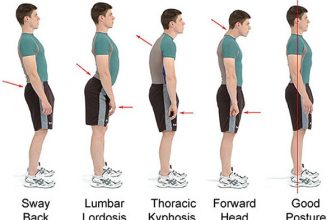
Hours of sitting, laptop use, phone scrolling, and desk work compress the thoracic curvature and lumbar spine over time. Slouching pulls the spinal column forward, weakens core muscles, and shortens visible standing height.
Regular walking counteracts some of that.
Why Walking Changes Appearance
Walking encourages:
- Alignment correction
- Core muscle engagement
- Hip mobility
- Reduced spinal stiffness
- Better muscle balance
A person with poor posture can “gain” 1 to 2 inches in visible standing height after consistent posture correction and mobility training. The skeleton hasn’t changed. The body simply returns closer to neutral alignment.
Physical therapists see this constantly.
In urban areas across both the U.S. and Vietnam, prolonged sitting culture creates rounded shoulders and forward-head posture. Walking helps restore natural movement patterns, especially when combined with stretching exercises and ergonomics improvements.
Temporary Spinal Decompression
Morning height versus evening height is another interesting example.
Most adults lose roughly 1 to 2 centimeters throughout the day because spinal discs compress under gravity. Walking improves circulation and spinal movement, which can reduce stiffness and improve posture temporarily.
That effect creates the feeling of “standing taller,” even though bone length remains unchanged.
And honestly, that visible confidence boost matters more than many people expect.
4. Walking During Childhood and Adolescence
For growing children and teenagers, walking becomes much more valuable.
Not magical. Valuable.
The WHO emphasizes regular physical activity during adolescence because movement supports developmental milestones, cardiovascular fitness, metabolic health, and bone mineralization. Walking fits perfectly into that framework because it’s accessible, low-risk, and sustainable.
Walking Supports Healthy Growth Habits
Teenagers who walk regularly often develop healthier overall routines:
- More outdoor activity
- Better sleep cycles
- Improved metabolic rate
- Healthier BMI
- Increased vitamin D exposure through sunlight
Those patterns indirectly support height growth.
A teenager who walks daily, sleeps 8 to 10 hours, eats enough protein and calcium, and stays physically active generally has a better chance of reaching genetic height potential compared with someone sedentary and sleep-deprived.
That difference becomes obvious during adolescence growth spurts.
School Lifestyle Differences
Lifestyle patterns also differ by region.
In the U.S., structured sports dominate youth fitness culture. In Vietnam, academic pressure and extended classroom hours can reduce physical education time in some urban areas. Walking to school, outdoor recreation, and active commuting often become important sources of daily movement.
Simple habits matter more than flashy routines most of the time.
A consistent hour of walking every day usually contributes more to long-term health than a complicated “height growth workout” followed for two weeks and abandoned.
5. Comparing Walking With Other Height-Supporting Activities
Walking helps overall health, but some activities place stronger mechanical stress on bones and muscles during development years.
That doesn’t mean they guarantee extra height. It means they create stronger growth-related stimulus.
| Activity | Potential Benefit During Growth Years | Limitation |
|---|---|---|
| Walking | Improves posture, circulation, bone health | Low growth stimulus |
| Basketball | Jumping and sprinting improve coordination and bone loading | No proof of direct height increase |
| Swimming | Supports flexibility and spinal decompression feeling | Water reduces weight-bearing stress |
| Plyometrics | Strong mechanical loading through vertical jump movements | Injury risk if excessive |
| Resistance training | Builds muscle and tendon strength safely when supervised | Poor form increases injury risk |
| Stretching exercises | Improves flexibility and posture | Doesn’t lengthen bones |
Basketball and swimming became famous “grow taller” sports partly because tall athletes dominate those activities. That correlation confuses people.
Tall people often succeed in basketball because of genetics and selection bias, not because basketball made them tall.
Still, active sports during puberty support overall skeletal development and healthy body composition. That’s valuable on its own.
6. Nutrition and Lifestyle Factors That Matter More
If the goal is maximizing height potential, nutrition and recovery matter far more than walking alone.
This is where many online discussions drift off course.
Protein and Micronutrients
Bones require raw materials to grow.
Protein provides amino acids necessary for tissue development. Calcium supports bone mineralization. Zinc and vitamin D contribute to skeletal health and metabolism.
Common height-growth nutrition priorities include:
- Eggs
- Fish
- Lean meats
- Soy products
- Milk and yogurt
- Leafy vegetables
- Beans and lentils
In Southeast Asian diets, foods like tofu, fish, rice, eggs, and dark greens often support balanced nutrition affordably. In Western diets, dairy products and higher protein intake commonly dominate growth-focused meal plans.
Consistency matters more than expensive supplements.
Sleep Is Underrated
Human growth hormone releases heavily during deep sleep, especially REM sleep stages.
Teenagers sleeping only 5 or 6 hours regularly may disrupt optimal hormone regulation during puberty. The CDC recommends roughly 8–10 hours of sleep for teenagers for exactly this reason.
Late-night screen habits quietly interfere with growth-supportive recovery more than many people realize.
Healthcare Access and Costs
Pediatric health checkups also matter.
In the United States, growth monitoring visits can range from roughly $100 to $300 without insurance. In Vietnam, pediatric consultations often cost substantially less in VND equivalents, improving accessibility in some settings.
Early detection of hormonal disorders, nutritional deficiencies, or delayed puberty can significantly affect growth outcomes.
7. Common Myths About Growing Taller Through Walking
Height myths spread fast because the promise sounds simple.
Walk more. Grow taller. Done.
Human biology doesn’t work that way.
Myth 1: Walking 10,000 Steps Increases Height
No scientific evidence supports the claim that walking 10,000 steps lengthens bones or increases adult height.
The number itself originated more from marketing history than orthopedic science.
Myth 2: Adults Can Grow Several Inches Naturally
After growth plate closure and bone fusion, meaningful natural height increase becomes biologically impossible without surgical intervention.
Posture correction can improve visible height. Actual skeletal elongation in adults does not happen through walking, stretching, or supplements.
Myth 3: Height Supplements Work
Many growth supplements marketed in USD and VND rely on advertising tactics, celebrity endorsements, and social media fitness trends rather than evidence.
Most contain vitamins, minerals, or herbal blends that help only if an existing deficiency exists.
That’s very different from making someone taller.
Myth 4: Shoe Inserts Equal Growth
Shoe lifts increase visible height temporarily. They do not affect skeletal maturity or bone growth.
Still… confidence changes posture, and posture changes appearance. That psychological effect partly explains why these products remain popular.
8. Practical Recommendations for Readers in the U.S. and Vietnam
The most useful approach is surprisingly simple.
Daily Habits That Actually Help
For teenagers and young adults:
- Walk 30 to 60 minutes daily
- Prioritize sleep quality
- Eat enough protein and micronutrients
- Spend time outdoors for vitamin D
- Include stretching and mobility work
- Maintain healthy BMI ranges
- Limit prolonged sitting
The CDC and WHO both recommend regular physical activity for children and adolescents because movement supports long-term health across multiple systems.
Walking fits easily into real life. That’s its biggest strength.
Affordable Lifestyle Improvements
A healthy growth-supportive routine doesn’t need expensive equipment.
| Habit | Approximate Monthly Cost in U.S. | Approximate Monthly Cost in Vietnam |
|---|---|---|
| Daily walking | Free | Free |
| Basic stretching routine | Free | Free |
| Higher protein intake | $30–$100 | 400,000–1,500,000 VND |
| Vitamin D supplements | $8–$20 | 100,000–300,000 VND |
| Pediatric consultation | $100–$300 without insurance | 200,000–800,000 VND |
One noticeable difference between the two regions is food accessibility. Fresh produce and seafood often cost less relative to income in many Vietnamese markets, while structured youth sports facilities are generally more widespread in the United States.
Both environments offer advantages. The healthiest routines usually combine affordability with consistency.
When Medical Advice Matters
Consult pediatricians or family physicians if:
- Growth appears unusually delayed
- Puberty starts very early or late
- Persistent nutritional issues exist
- Chronic fatigue or hormone-related symptoms appear
Growth disorders are uncommon, but early intervention matters when they do occur.
Conclusion
Walking supports healthy development, posture alignment, cardiovascular health, and bone strength. What walking does not do is directly lengthen bones after skeletal maturity.
That distinction clears up most confusion around “walking and height growth.”
For children and teenagers, regular walking contributes indirectly to reaching genetic height potential through better overall health habits. For adults, the benefits usually appear through improved posture, mobility, and spinal alignment rather than true height increase.
And honestly, posture changes can be significant enough to reshape confidence, appearance, and body language. That’s not fake progress. It’s just different from bone growth.
The internet tends to oversimplify height discussions into miracle routines and viral hacks. Real human growth is slower, more biological, and less dramatic than social media claims.
Still, simple habits matter.
Consistent movement, quality sleep, balanced nutrition, stress management, and healthy daily routines influence physical development far more than any “secret” exercise ever will.





Hello my loved one I want to say that this post is amazing great written and include almost all significant infos I would like to look extra posts like this
certainly like your website but you need to take a look at the spelling on quite a few of your posts Many of them are rife with spelling problems and I find it very troublesome to inform the reality nevertheless I will definitely come back again