

Beans can support healthy height growth by providing protein, iron, magnesium, and other nutrients, but beans alone do not make you taller. Height depends primarily on genetics, puberty-related hormones, overall nutrition, sleep, physical activity, and health status.
If you’ve ever looked at a plate of black beans or lentils and wondered whether that inexpensive side dish could influence height growth, the short answer is that beans help support the process rather than directly increase height. That’s an important distinction.
In American diets, beans often sit in the shadow of foods like chicken breast, eggs, and whey protein. Yet they remain one of the most nutrient-dense foods available in grocery stores across the United States. During adolescence, when growth hormone activity increases and epiphyseal plates remain open, nutrient quality matters.
According to the USDA and CDC, many American teenagers fall short on key nutrients while consuming excess ultra-processed foods. In that context, beans offer valuable amino acids, minerals, and fiber that contribute to healthy development.
Can Beans Help You Grow Taller During Puberty?
Puberty is the life stage when height growth happens fastest, and beans can help support that growth by providing essential nutrients.
During puberty, the body experiences an adolescent growth spurt driven by human growth hormone, testosterone, estrogen, and other signals from the endocrine system. Growth plates, also called epiphyseal plates, remain active during this period, allowing bones to lengthen.
The American Academy of Pediatrics notes that growth velocity varies significantly between individuals. Some teenagers gain several inches in a short period, while others grow steadily over several years.
A few factors determine how much height gain occurs:
- Genetics
- Hormone levels
- Nutritional status
- Sleep quality
- Physical activity
- Overall health
Beans fit into the nutrition category. They don’t stimulate growth plates directly. Instead, they provide building blocks needed for normal growth and tissue development.
Think of puberty as a construction project. Growth hormone acts like the project manager, genetics provides the blueprint, and nutrients supply the raw materials. Beans contribute some of those materials, particularly protein and minerals.
For most American teens, height development depends on the combined effect of all these factors rather than a single food.
Nutrients in Beans That Support Growth
Protein, iron, magnesium, and other micronutrients in beans support processes involved in growth and development.
Different bean varieties offer slightly different nutritional profiles, but several stand out.
Key Nutrients Found in Common Beans
| Bean Type | Protein (per cooked cup) | Key Nutrients | Growth Support |
|---|---|---|---|
| Black beans | ~15 g | Iron, magnesium, folate | Muscle repair and oxygen transport |
| Pinto beans | ~15 g | Magnesium, potassium, fiber | Bone and muscle function |
| Lentils | ~18 g | Iron, folate, phosphorus | Tissue growth and development |
| Soybeans | ~28 g | Complete protein, iron, calcium | Protein synthesis and bone health |
Protein supplies amino acids required for muscle repair and growth.
Iron supports oxygen transport through hemoglobin. When iron intake is inadequate, fatigue can develop, potentially affecting physical performance and overall development.
Magnesium participates in hundreds of biochemical reactions, including those related to bone density and energy production.
Lentils, black beans, and pinto beans also provide micronutrients involved in collagen formation, a process important for connective tissues throughout the body.
Now, here’s the interesting part. Beans rarely get attention as “growth foods,” yet their nutrient density compares favorably with many foods marketed as health products.
Protein and Height: Is Plant Protein Enough?
Plant protein can support normal growth when total protein intake and essential amino acid intake are adequate.
Protein often dominates discussions about height growth, and for good reason. Growing tissues require amino acids.
Animal proteins such as chicken breast, eggs, dairy products, and whey protein generally contain all essential amino acids in highly bioavailable forms. These are known as complete proteins.
Many beans contain substantial protein but lower amounts of certain amino acids, particularly methionine.
Plant Protein vs Animal Protein
| Protein Source | Protein Quality | Essential Amino Acids | Personal Commentary |
|---|---|---|---|
| Chicken breast | Very high | Complete | Efficient and easy for growth-focused diets |
| Whey protein | Very high | Complete | Convenient but often more expensive |
| Black beans | Moderate | Lower methionine | Excellent nutrient package beyond protein |
| Lentils | Moderate | Lower methionine | Strong choice when paired with grains |
| Soybeans | High | Complete | One of the strongest plant-based options |
A practical observation emerges from nutrition research: protein synthesis depends more on total dietary patterns than on one meal.
Rice and beans, whole grains and lentils, or soy-based foods can improve amino acid balance. Lysine, abundant in many beans, complements amino acids found in grains.
For vegetarian teenagers, beans can absolutely contribute to healthy growth when combined with varied protein sources.
The key takeaway is simple. Protein for growing taller is about overall intake and quality, not about a single food winning the nutrition contest.
US Dietary Guidelines and Growth
USDA guidance emphasizes balanced nutrition, and beans fit well within those recommendations.
The Dietary Guidelines for Americans encourage a nutrient-dense eating pattern that includes vegetables, fruits, whole grains, dairy or alternatives, and protein foods.
USDA MyPlate places beans in both the vegetable and protein categories. That’s a unique advantage.
Several growth-supportive components appear in a balanced eating pattern:
- Adequate protein
- Healthy caloric intake
- Vitamins and minerals
- Dietary fiber
- Hydration
The National School Lunch Program increasingly incorporates legumes because they provide nutrition at a relatively low cost.
Nutrient density matters because growth requires more than calories. A teenager consuming excess calories from sugary beverages may still miss nutrients needed for optimal development.
According to NIH and CDC resources, balanced dietary habits support healthy growth patterns throughout adolescence.
Beans help fill nutritional gaps while contributing relatively few saturated fats.
In practice, that combination makes them one of the more underrated foods in the American diet.
Genetics vs Diet: What Matters More?
Genetics has the strongest influence on adult height, while nutrition helps determine how much of that genetic potential is reached.
This topic generates more confusion than almost any other height-related question.
DNA provides the foundation for height potential. Research involving twin studies consistently shows a strong hereditary component in height outcomes.
The Human Genome Project and modern genetics research have identified hundreds of gene variants associated with stature.
However, genetics does not operate in isolation.
Environmental influences include:
- Nutrition
- Sleep
- Physical activity
- Medical conditions
- Hormonal health
A useful way to think about gene expression is through potential versus outcome.
If genetics establishes a height range, nutrition helps determine where within that range a person ultimately lands.
Beans support growth potential by contributing nutrients. They do not override hereditary traits.
No food, supplement, or diet can reliably transform a genetically average-height person into an exceptionally tall adult.
That claim appears frequently online, but scientific evidence doesn’t support it.
Lifestyle Factors That Impact Height
Sleep, exercise, and overall health often influence growth more than any individual food.
Nutrition gets most of the attention, yet several lifestyle habits play major roles during adolescence.
Sleep
Growth hormone secretion peaks during deep sleep stages, especially during REM-associated cycles and other restorative sleep phases.
The American Academy of Sleep Medicine recommends sufficient sleep for teenagers because recovery and development occur largely overnight.
Chronic sleep deprivation can interfere with healthy growth processes.
Physical Activity
Basketball, swimming, running, and resistance training support overall health and bone loading.
Contrary to popular myths, resistance training does not stunt growth when performed safely and appropriately.
Physical activity improves muscle strength, supports bone density, and contributes to healthy body composition.
Stress Management
Elevated stress hormones can negatively affect multiple physiological systems over time.
Screen-heavy lifestyles, irregular sleep schedules, and chronic stress often create a less favorable environment for growth and recovery.
Beans contribute nutrition, but lifestyle habits create the broader environment in which growth occurs.
A teenager sleeping five hours per night and eating perfectly balanced meals may still face challenges that nutrition alone cannot solve.
Can Adults Grow Taller by Eating Beans?
Adults cannot significantly increase skeletal height by eating beans because growth plates close after puberty.
This is where biology becomes very clear.
Once skeletal maturity occurs and epiphyseal plates fuse, long bones stop lengthening. That process typically happens in the late teen years or early adulthood.
As a result, beans do not increase adult height.
Neither do most supplements marketed for height gain.
However, nutrition remains important for adults because it supports:
- Bone remodeling
- Calcium absorption
- Muscle maintenance
- Postural health
- Long-term skeletal strength
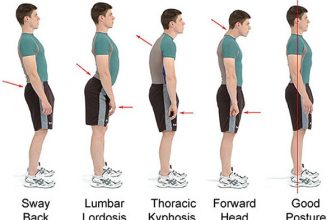
Some adults appear slightly taller after improving posture, core strength, or spinal alignment. These changes reflect posture improvements rather than true bone growth.
Conditions such as osteoporosis can reduce height over time through vertebral compression. Nutrient-rich foods, including beans, may support bone health as part of a balanced diet.
When discussing adult growth myths, the evidence remains consistent: food supports health, but closed growth plates prevent meaningful increases in skeletal height.
Conclusion
Beans help support healthy growth, but they do not directly make you taller.
For teenagers, beans provide plant protein, iron, magnesium, fiber, and other nutrients that contribute to normal development during puberty. They support the body’s growth processes by supplying amino acids and micronutrients needed for tissue repair, bone health, and overall nutrition.
Height growth depends primarily on genetics, growth hormone activity, open growth plates, adequate sleep, physical activity, and a balanced diet. Beans play a valuable supporting role within that larger picture.
For adults, beans remain an excellent food choice for bone health, muscle maintenance, and nutrient intake, but they cannot reopen fused growth plates or increase skeletal height.
The science points to a straightforward conclusion: beans belong among healthy growth foods, yet the strongest height gains come from the combined effect of genetics, nutrition, sleep, and lifestyle during the years when growth is biologically possible.
Sources: CDC, USDA MyPlate, Dietary Guidelines for Americans, NIH Office of Dietary Supplements, American Academy of Pediatrics, American Academy of Sleep Medicine.





I recently noticed that you’ve taken the time to visit my website, and I wanted to express my heartfelt gratitude for your interest. Your support means a lot to me, and I’m truly grateful for your visit.