
Growth gets talked about like it’s one big mystery. Genetics gets all the attention. Sports get some credit. Sleep gets a polite nod. Then food sits off to the side, even though it shows up every single day on your plate, in your lunch box, in that rushed breakfast before school, in the snack grabbed after practice.
That part matters.
Height is still shaped mostly by genetics, and no food can rewrite that. But food absolutely affects how well your body uses the growth potential already built in. Bone tissue needs raw materials. Muscles need protein. The body needs enough vitamin D, calcium, zinc, magnesium, and other nutrients to keep growth processes moving the way they’re supposed to. The Centers for Disease Control and Prevention has reported that many children and adolescents in the United States do not meet recommendations for key nutrients linked to healthy development, while the National Institutes of Health notes that nutrition supports normal growth even though it does not override inherited height potential.
So the better question is not “What food makes you taller overnight?” That question usually leads nowhere. A better question is: which foods make it easier for your body to grow well over time?
This guide covers 13 foods worth putting into regular rotation. Not miracle foods. Just practical ones. Grocery-store foods. The kind you can actually buy at Walmart, Whole Foods Market, Costco, Target, or the local supermarket without turning the week into a nutrition project.
Why Food Matters for Height Growth
Height growth depends on growth plates, hormones, bone formation, sleep quality, overall calorie intake, and consistent access to nutrients. That sounds technical, but in real life it usually looks simpler than expected: enough protein across the day, enough calcium often enough, enough vitamin D to help calcium do its job, and enough minerals to support bone structure.
When nutrition falls short for long stretches, growth can slow. Protein matters because your body uses amino acids to build and repair tissue. Calcium matters because bones need mineral support. Vitamin D matters because calcium absorption drops without it. Zinc matters because it supports growth and cell development. Magnesium and vitamin K help with bone structure and mineralization. Iron supports oxygen transport, which is a less flashy role, but still important in growing kids and teens.
And yes, food works best in context. Sleep, especially 8 to 10 hours for many school-age kids and teens, lines up with normal growth hormone release. Physical activity helps build stronger bones. Regular meals beat random “healthy” eating three times a week. Growth is boring like that. It usually rewards consistency, not intensity.
1. Eggs
Eggs are one of the most efficient foods for growth support because they combine high-quality protein with vitamin D, choline, selenium, and several B vitamins in one small package.
Why eggs help
Protein gives your body building material for tissues, including muscle and other structures that support growth. Vitamin D helps your body absorb calcium more effectively, and eggs provide some vitamin D naturally, especially in the yolk. That combination makes eggs unusually useful for growing kids and teens.
There’s also something practical here: eggs are easy to eat consistently. That counts for more than people think. A nutrient-dense food that actually gets eaten on busy mornings beats a “perfect” food that stays in the fridge until it expires.
Easy ways to use eggs
Scrambled eggs work for breakfast.
Boiled eggs fit into school lunches.
Omelets make sense on weekends.
Egg muffins can be prepped ahead when mornings get messy.
A simple pattern that tends to work well:
- Pair eggs with toast and fruit for breakfast.
- Add spinach or cheese for extra nutrients.
- Use boiled eggs as a post-practice snack when dinner is delayed.
2. Milk
Milk remains one of the best-known foods linked with height support, mostly because it delivers calcium, protein, and in many cases added vitamin D.
Why milk helps
Calcium supports bone strength and bone development. Protein supports tissue growth. Fortified milk often includes vitamin D, which improves calcium absorption and supports bone health. In the United States, many milk products are fortified, which makes them a practical option rather than just a traditional one.
For families trying to keep things simple, milk has one advantage that keeps showing up: almost no preparation. Pour, drink, move on. That convenience matters on school days.
Best ways to use milk
Drink a glass with breakfast.
Blend it into smoothies.
Use it in oatmeal.
Add it to soups, mashed potatoes, or homemade pancakes.
Low-fat milk and whole milk can both fit, depending on calorie needs, age, and the rest of the diet. Most of the time, the better choice is the one that gets used regularly.
3. Greek Yogurt
Greek yogurt is thick, filling, and unusually helpful for growth-focused eating because it packs in protein and calcium in a small serving.
Why Greek yogurt helps
Protein supports muscle repair and tissue development. Calcium supports bones. Many Greek yogurts also contain probiotics, which may help gut health and improve nutrient absorption. That last part often gets overlooked. A nutrient can only help if your body can use it well.
Greek yogurt also works when appetite is unpredictable. Some kids eat a huge dinner and barely touch breakfast. Some teens skip meals, then get hungry late. A bowl of Greek yogurt with fruit can bridge those gaps better than sugary snack foods.
Good ways to eat it
Top it with blueberries and almonds.
Blend it into smoothies.
Use it as a base for fruit parfaits.
Swap it for sour cream in tacos or baked potatoes.
4. Chicken Breast
Chicken breast is lean, high in protein, and easy to build meals around without much effort.
Why chicken helps
Protein supports growth hormone-related processes and helps build body tissues. Chicken also provides vitamin B12, which helps form red blood cells. That matters because oxygen delivery supports overall development and recovery, especially in active kids and teens.
Chicken is also one of those foods that fits the American routine almost too well. Meal prep bowls, sandwiches, wraps, salads, grilled skewers, baked dishes, game-day leftovers. It all works.
Meal ideas
Grill chicken for a backyard cookout.
Slice it into quesadillas.
Add it to pasta.
Serve it with roasted vegetables and rice.
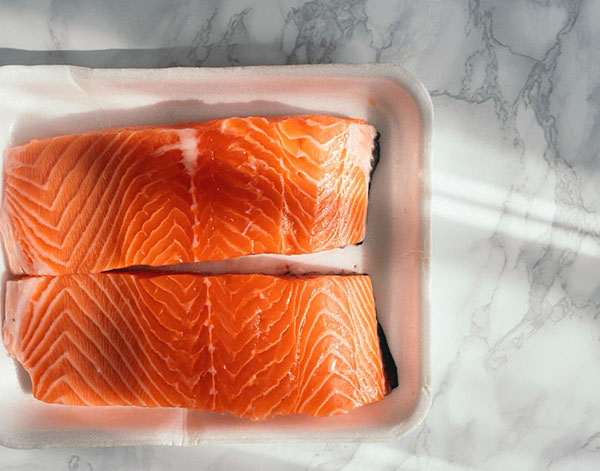
5. Salmon
Salmon earns a place on almost every serious growth-support food list for one reason: nutrient density.
Why salmon helps
Salmon provides vitamin D, protein, and omega-3 fatty acids. Vitamin D helps calcium absorption. Protein supports growth and repair. Omega-3 fats support overall health and may contribute to bone health as well.
Wild-caught Alaskan salmon is commonly available in U.S. supermarkets, and canned salmon can be a budget-friendly option that still offers strong nutrition. Fresh fillets get more attention, but canned versions often do the job just fine.
There’s a useful contrast here. Chicken is easier and often cheaper. Salmon brings more vitamin D and omega-3s. Both belong in the mix, just for different reasons.
6. Spinach
Spinach is not magic. Cartoons oversold that years ago. Still, spinach does bring together several nutrients that support growth.
Why spinach helps
Spinach contains iron, calcium, vitamin K, folate, and other micronutrients. Vitamin K supports bone mineralization. Iron supports oxygen transport. Folate supports cell growth and development.
The catch? Spinach is rarely the center of a meal. It works better as an add-on. Blend it into smoothies, fold it into eggs, stir it into pasta sauce, or toss it into soups. That tends to be how it sticks.
Easy uses
Add spinach to omelets.
Blend it into fruit smoothies.
Mix it into pasta dishes.
Layer it into sandwiches or wraps.
7. Almonds
Almonds are compact, portable, and loaded with useful nutrients for bone support.
Why almonds help
Almonds provide magnesium, calcium, healthy fats, and some protein. Magnesium supports bone formation. Healthy fats help the body absorb fat-soluble vitamins, including vitamin D. That makes almonds helpful on their own and useful as part of a larger meal.
They also solve a common problem: the weak snack. A lot of snacks fill time, not nutrition gaps. Almonds do more actual work.
Snack ideas
Pack raw almonds in lunch boxes.
Add them to yogurt bowls.
Mix them into oatmeal.
Use almond butter on toast or apple slices.
8. Sweet Potatoes
Sweet potatoes bring color, fiber, and one standout nutrient: vitamin A.
Why sweet potatoes help
Vitamin A supports cell growth and bone development. It also supports immune health, which is not directly about height, but does affect overall wellness. Illness, poor appetite, and inconsistent eating can all chip away at growth support over time.
Sweet potatoes also tend to be easier to get kids to eat than some other vegetables. Roast them, mash them, cube them, turn them into wedges. That flexibility helps.
Easy American-style options
Bake sweet potato fries.
Roast cubes with cinnamon.
Mash them as a side dish.
Add them to grain bowls or burrito bowls.
9. Quinoa
Quinoa gets called a grain all the time, though technically it’s a seed. Either way, it earns its place because it provides complete protein.
Why quinoa helps
Quinoa contains all nine essential amino acids, which makes it especially helpful in meals that rely less on animal protein. It also provides magnesium, iron, and fiber. For vegetarian or mixed diets, that combination can be useful.
Some people expect quinoa to taste amazing on its own. Usually, it doesn’t. It tastes better with seasoning, broth, or sauces. That small detail matters because bland “healthy” foods often disappear after one attempt.
Ways to use quinoa
Replace white rice in meal prep bowls.
Serve it with chicken and vegetables.
Mix it into black bean salads.
Use it as a base for burrito bowls.
10. Beans
Beans are one of the best budget foods for supporting growth because they bring protein, iron, fiber, and minerals without much cost.
Why beans help
Beans provide plant protein and iron. Iron deficiency can reduce energy levels and affect normal development. Fiber supports digestion, and beans also add magnesium and other nutrients that support general health.
Black beans, kidney beans, pinto beans, lentils, chickpeas. Different texture, slightly different nutrition, same basic idea: affordable food with real value.
Useful meal ideas
Add black beans to tacos.
Use kidney beans in chili.
Mash pinto beans into burritos.
Toss chickpeas into salads or grain bowls.
11. Tofu
Tofu is one of the most practical foods for vegetarian teens who need protein and calcium without relying entirely on dairy.
Why tofu helps
Tofu provides protein, and calcium-set tofu can provide a substantial amount of calcium. That makes it especially helpful in plant-forward diets. It also absorbs flavor well, which helps solve the “healthy but boring” problem.
For families new to tofu, texture often decides whether it works. Crispy tofu tends to win more often than plain soft cubes dropped into a plate without much thought.
Cooking ideas
Stir-fry tofu with broccoli and brown rice.
Bake tofu cubes until crisp.
Add tofu to noodle bowls.
Use crumbled tofu in tacos or scrambles.
12. Oatmeal
Oatmeal looks humble, but it does more than most quick breakfasts.
Why oatmeal helps
Oats provide fiber, magnesium, and plant protein. Magnesium supports bone structure. Oatmeal also acts like a base, which means it can carry other growth-support foods with almost no effort: milk, yogurt, nuts, seeds, berries, banana, peanut butter.
That layering effect is useful. One bowl can cover several nutrients at once, which is often easier than trying to build a perfect breakfast from scratch every morning.
Good oatmeal combinations
Overnight oats with peanut butter and banana.
Hot oats with milk and berries.
Oats topped with almonds and Greek yogurt.
Savory oats with egg on top, for families that like something different.
13. Berries
Berries usually show up in nutrition articles as the decorative finishing touch. That undersells them.
Why berries help
Berries provide vitamin C and antioxidants. Vitamin C supports collagen production, and collagen helps support the structure of bones, cartilage, skin, and connective tissue. Berries also make nutrient-dense foods easier to eat. Greek yogurt tastes better with berries. Oatmeal gets less boring with berries. Smoothies improve fast with berries.
That kind of support role matters. Foods do not work in isolation in real kitchens.
Popular U.S. options
Strawberries
Blueberries
Raspberries
Blackberries
Fresh and frozen both work. Frozen berries often cost less and last longer, which makes them more realistic for many households.
Comparison Table: How These Foods Differ
Different foods support growth in different ways. Some give more protein. Some focus on calcium. Some quietly fill in vitamin and mineral gaps that an otherwise decent diet can miss.
| Food | Main Growth Nutrients | Best Use | Main Difference |
|---|---|---|---|
| Eggs | Protein, vitamin D | Breakfast, snacks | More balanced than most quick breakfast foods |
| Milk | Calcium, protein, vitamin D | Drinks, oatmeal, smoothies | Easier to use daily than many calcium-rich foods |
| Greek yogurt | Protein, calcium, probiotics | Snacks, breakfast | Thicker and higher in protein than regular yogurt |
| Chicken breast | Protein, vitamin B12 | Lunch and dinner | Leaner and more neutral in flavor than red meat |
| Salmon | Vitamin D, protein, omega-3s | Dinner | More vitamin D and healthy fats than chicken |
| Spinach | Iron, vitamin K, folate | Mix-ins | Better as a supporting ingredient than a main food |
| Almonds | Magnesium, healthy fats, calcium | Snacks, toppings | Strong snack option when hunger hits between meals |
| Sweet potatoes | Vitamin A, fiber | Sides, meal prep | Better vitamin A source than regular potatoes |
| Quinoa | Complete protein, magnesium | Bowls, sides | More complete protein than rice |
| Beans | Plant protein, iron, fiber | Chili, tacos, bowls | More affordable than many protein foods |
| Tofu | Protein, calcium | Stir-fries, bowls | Useful for vegetarian meals without much compromise |
| Oatmeal | Magnesium, fiber, plant protein | Breakfast | Flexible base for several growth-support nutrients |
| Berries | Vitamin C, antioxidants | Toppings, snacks | More useful for collagen support than people expect |
A simple way to think about the differences: eggs, chicken, salmon, tofu, beans, and Greek yogurt lean heavier on protein; milk, yogurt, and tofu do more for calcium; spinach, oats, almonds, beans, and sweet potatoes help fill in the quieter nutrient gaps that still matter over months and years.
Key Nutrients That Support Height Growth
When people focus only on one nutrient, usually calcium, the whole picture gets distorted. Height support is more layered than that.
The nutrients that matter most include:
- Protein for tissue growth and repair
- Calcium for bone strength and development
- Vitamin D for calcium absorption
- Zinc for growth and cell development
- Magnesium for bone structure
A few useful observations tend to show up in real life:
- Protein intake is often too low at breakfast, even in otherwise decent diets.
- Calcium intake can look fine on paper but drop off fast when dairy or fortified foods are rarely used.
- Vitamin D becomes a bigger issue when sun exposure is limited or diets are narrow.
- Growth-support eating works better when these nutrients show up daily, not just once in a while.
Important Reminder for U.S. Families
Height growth usually slows and eventually stops after the growth plates close. In general, most girls complete linear growth earlier than boys, often by the late teen years, while many boys continue a bit longer. The National Institutes of Health notes that genetics plays a major role in final height, and proper nutrition supports growth potential rather than replacing inherited limits.
That distinction matters because the internet tends to flatten everything into promises. Food helps. Sleep helps. Physical activity helps. None of that turns a short genetic pattern into a tall one. But poor nutrition can make things worse than they needed to be, and that part is preventable.
If delayed growth seems noticeable, a pediatrician or healthcare professional is the right next step. In some cases, growth concerns can be linked to medical issues such as hormonal problems, chronic disease, nutrient deficiency, or growth hormone deficiency.
Conclusion
The best foods to increase height are not rare, expensive, or trendy. Eggs, milk, Greek yogurt, chicken breast, salmon, spinach, almonds, sweet potatoes, quinoa, beans, tofu, oatmeal, and berries all support growth in different ways. Some help build bone. Some support muscle and tissue. Some make nutrient absorption work better behind the scenes.
And that is usually how height-support nutrition actually works. Not with one miracle meal. Not with a supplement trend that burns bright for a month and disappears. Just a steady pattern: protein across the day, calcium often enough, vitamin D where possible, mineral-rich foods showing up regularly, and enough sleep and movement to let the body do what it was already designed to do.