
Testosterone contributes to the growth spurt that happens during puberty, but more testosterone doesn’t mean a taller adult. The hormone works alongside estrogen, growth hormone, and genetics to shape how — and how long — the body grows. Once the growth plates close, testosterone can’t add height, no matter how high the levels climb.
That’s the short version, and it trips people up because testosterone gets so much credit for “manly” growth. The real story involves a hormone that borrows part of its power from estrogen, a skeleton with a closing window, and a lot of factors that have nothing to do with hormones at all. Here’s how it actually works.
Key Takeaways
- Testosterone drives part of the pubertal growth spurt, but it’s one piece of a larger hormonal system.
- Genetics, nutrition, sleep, growth hormone, and thyroid function all shape final height alongside sex hormones.
- Testosterone converts into estrogen in the body, and that estrogen is what signals the growth plates to mature and eventually close.
- Once the growth plates have fused, testosterone doesn’t lengthen bones or add meaningful height.
- Testosterone therapy can affect growth in teens with diagnosed conditions like delayed puberty, but that decision belongs to a doctor, not a supplement label.
Does Testosterone Make You Taller?
Rising testosterone during puberty is associated with faster growth, but it isn’t a height dial you can turn up. During the pubertal growth spurt, testosterone helps drive bone elongation and muscle development, working through the broader endocrine system rather than acting alone.
The effect depends heavily on timing. Before the growth plates close, higher testosterone during a normal puberty tends to track with a faster growth velocity. After the plates fuse, testosterone has no bones left to lengthen — skeletal age has essentially locked in your adult stature.
Can Low Testosterone Affect Height?
Low testosterone during adolescence can slow or delay the growth process, particularly when it’s tied to hypogonadism or another condition affecting the pituitary gland. Delayed puberty sometimes means a delayed growth spurt rather than a shorter final height — the body’s timeline shifts, but the endpoint isn’t automatically lower.
Not every case of unusual growth traces back to testosterone deficiency. Thyroid issues, growth hormone problems, and chronic illness can look similar on a growth chart. If puberty or growth seems noticeably delayed, an evaluation by a pediatrician or endocrinologist is the right next step, not guesswork.
How Testosterone Affects Growth During Puberty
Testosterone rising during puberty triggers a cascade: increased bone growth, muscle mass, and the classic adolescent growth spurt. None of that happens in isolation. Growth during this window is coordinated across the endocrine system, with testosterone as one contributor among several.
Testosterone, Growth Hormone, and IGF-1
Growth hormone and IGF-1 do most of the heavy lifting for childhood and adolescent linear growth. The pituitary gland releases growth hormone, which signals the liver to produce IGF-1 — and testosterone amplifies parts of that signaling rather than replacing it. Think of testosterone as a volume knob on an existing system, not the system itself.
Testosterone, Estrogen, and Growth Plate Closure
Testosterone doesn’t close growth plates directly — estrogen does, and testosterone gets there by converting into it. Through a process called aromatization, testosterone converts into estradiol, and that estrogen signals cartilage cells at the growth plates to mature and eventually fuse. This is true in males as well as females, even though estrogen tends to get filed under “female hormone” in casual conversation.
Growth plates don’t close on a fixed calendar date. Individual timing varies enough that doctors rely on bone-age assessment rather than a birthday — a look at when do boys stop growing shows just how wide that range can be.
Can Too Much Testosterone Stop Height Growth?
Unusually high testosterone exposure during adolescence — from anabolic steroids, for example — can actually shorten the growth window rather than extend it. The extra hormone accelerates skeletal maturation, pushing the growth plates toward closure faster than they would fuse naturally.
That’s the counterintuitive part. Faster early growth from excess androgens can trade away months or years of growth time, and the final adult height often ends up shorter, not taller, than it would have been otherwise.
Does Testosterone Make You Taller After Puberty?
No. Once the growth plates undergo epiphyseal fusion, the long bones stop growing in length regardless of hormone levels. Testosterone after that point can build muscle, shift body composition, and support bone density, but it doesn’t touch skeletal height.
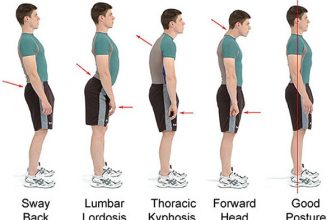
People sometimes look or feel taller after starting testosterone as adults — better posture, more muscle mass, a leaner frame — and mistake that for actual height gain. It isn’t. The skeleton itself hasn’t changed length.
Can Testosterone Make You Taller at 18, 21, or 25?
Age alone doesn’t answer this — skeletal maturity does. Some 18-year-olds still have open growth plates and some don’t; a hand-wrist radiograph checking bone age is the only reliable way to know. By the mid-twenties, most people have reached full skeletal maturity, and remaining growth potential is close to zero.
Does Testosterone Therapy Increase Height?
Testosterone replacement therapy isn’t a height treatment, even though it’s sometimes prescribed to teenagers during the growth years. FDA-regulated testosterone products are approved for diagnosed hormone deficiencies, and any effect on height in that group comes from correcting an underlying medical issue — not from testosterone acting as a growth booster.
Testosterone Therapy in Teenagers With Delayed Puberty
For teens diagnosed with delayed puberty or hypogonadism, a pediatric endocrinologist may use testosterone to help induce puberty, tracking Tanner stages and bone age throughout treatment. Dosing, timing, and duration are individualized to that patient’s evaluation. None of this extrapolates to a healthy teenager hoping to add a few extra inches.
Do Testosterone Boosters or Anabolic Steroids Make You Taller?
No credible evidence supports testosterone boosters or anabolic steroids as a way to gain height. Over-the-counter supplements marketed this way are regulated as dietary supplements, not FDA-approved drugs, and their claims don’t hold up against what’s known about skeletal maturation. Anabolic steroid use in teens carries real risk, including the accelerated growth-plate closure described above — a trade that can shorten, not extend, the growth window.
What Actually Determines How Tall You Grow?
Genetics sets the largest boundary on adult height, generally accounting for the majority of the variation between people — a fact that also explains why short parents can still have tall children depending on which genes get passed along. Growth hormone, thyroid hormone, nutrition, and puberty timing all operate within that genetic ceiling rather than above it.
Can Diet, Exercise, or Sleep Increase Height?
Adequate protein, calcium, and vitamin D support normal bone development during the growing years, and consistent sleep matters because growth hormone release peaks during deep sleep. None of that raises someone above their genetic potential — it just removes obstacles that could otherwise hold growth back.
Stretching, hanging from a bar, or taking supplements can’t lengthen bones that have already fused. That’s true no matter how consistent the routine is.
How Do You Know If Your Growth Plates Are Still Open?
A bone-age X-ray, usually of the hand and wrist, is the standard way clinicians check whether growth plates remain open. Doctors also weigh growth charts, puberty progression, family height patterns, and recent growth velocity — age on its own isn’t a reliable marker of remaining growth potential.
When Should You See a Doctor About Height or Testosterone?
A pediatrician, primary care physician, or endocrinologist is the right starting point for concerns about unusually slow growth, delayed puberty, or suspected hormone issues. A clinical evaluation typically includes growth history, family height, puberty development, and sometimes a hormone panel or blood test before any treatment gets discussed.
Final Thoughts
Testosterone plays a real role in the pubertal growth spurt, but it works through estrogen conversion and a network of other hormones — not as a standalone height switch. Once the growth plates close, no amount of testosterone changes that outcome. For anyone with real concerns about growth or delayed puberty, a doctor’s evaluation is the next step, not a supplement aisle.