
At 16, the question “am I done growing?” sits in the back of a lot of teenagers’ minds — especially when a friend just shot up two inches over the summer. The honest answer: it depends, and for most teens, the story isn’t over yet.
Many 16-year-olds — boys especially — are still actively growing. Girls tend to finish their major growth spurts earlier, typically wrapping up between 14 and 16. But boys often continue gaining height until 18, sometimes 19 or 20. The biology varies, and so does the timeline.
What this guide won’t do is promise three extra inches from a supplement or a hanging routine. What it will do is walk through what actually drives height at this stage of life — and where your habits genuinely move the needle.
The short answer: Yes, many 16-year-olds can still grow taller, particularly boys who haven’t closed their growth plates yet. Genetics sets the ceiling, but nutrition, sleep, posture, and exercise determine how close you get to it. No pill or device changes that equation.
Key Takeaways
- Growth plates determine your window — once they fuse, bone lengthening stops, regardless of diet or exercise.
- Genetics accounts for roughly 60–80% of your final height; the rest comes from lifestyle and environment.
- Deep sleep drives the release of human growth hormone — this is when your body does most of its growing.
- Protein, calcium, vitamin D, and zinc are the nutrients most directly tied to bone development.
- Better posture won’t make your bones longer, but it can add an inch or more to how tall you appear.
How Height Growth Works at Age 16
Height comes down to what’s happening at the ends of your long bones — the femur, tibia, humerus. Each of these has zones of cartilage called epiphyseal plates (or growth plates). When the pituitary gland signals the body to release growth hormone, these plates generate new cartilage, which then hardens into bone. That’s bone elongation in plain terms.
Here’s what most people miss: growth plates have a lifespan. Estrogen and testosterone — both of which surge during puberty — are what eventually cause these plates to fuse shut. Girls produce more estrogen earlier, which is why their growth spurts peak sooner (usually 11–13) and taper off by mid-teens. Boys experience this fusion later, often between 17 and 19, which is why a 16-year-old male can still have a meaningful amount of growing left.
The only way to know for certain whether your growth plates are still open is a bone age X-ray, which a pediatrician can order. It’s a simple wrist X-ray that compares skeletal development to population averages. Worth asking about if you’re genuinely curious.
Once the plates close, bone length is fixed. No supplement, stretch, or device reopens them — that’s just biology.
Genetics vs. Lifestyle: What Determines Your Final Height?
Genetics sets the range. Research suggests roughly 60–80% of height variation between people comes down to DNA — which means 20–40% is influenced by environment and lifestyle. That’s not a small window.
The classic estimate for predicting adult height: average your parents’ heights, add 2.5 inches for boys or subtract 2.5 inches for girls. It’s rough, but it tracks within a few inches for most people.
What lifestyle actually affects:
- Nutrition — chronic malnutrition stunts growth; adequate nutrition lets you reach your genetic potential
- Sleep — this is where growth hormone release peaks (more on this below)
- Physical activity — supports bone density and healthy hormone levels
- Chronic illness or stress — both can suppress growth hormone and slow development
The key framing: lifestyle doesn’t let you exceed your genetic ceiling. But a surprising number of people don’t reach it because of poor sleep, nutrient deficiencies, or chronic stress during adolescence. That’s the real opportunity here.
Best Foods to Help You Grow Taller at 16
Nutrition doesn’t manufacture height, but it provides the raw materials your bones need to develop fully. Teenagers who consistently undereat — especially protein and calcium — tend to fall short of their genetic potential.
Nutrients That Matter Most
| Nutrient | Why It Matters | Common U.S. Sources |
|---|---|---|
| Protein | Builds bone matrix and muscle | Chicken breast, eggs, Greek yogurt, peanut butter |
| Calcium | Hardens and mineralizes bone | Milk, cheese, fortified cereals, leafy greens |
| Vitamin D | Helps the body absorb calcium | Salmon, egg yolks, fortified milk |
| Zinc | Supports growth hormone activity | Beef, pumpkin seeds, whole grains |
| Magnesium | Involved in bone mineralization | Nuts, beans, whole grains |
Teenagers need roughly 1,300 mg of calcium daily, according to NIH guidelines — which is higher than the adult requirement, for exactly this reason. A cup of milk delivers about 300 mg. Two eggs, a cup of Greek yogurt, and a salmon fillet at dinner gets you to a solid day of protein with minimal effort.
Hydration matters more than it sounds, too. Cartilage is roughly 80% water. Chronic dehydration affects the cushioning and regeneration of joint tissue, including growth plate cartilage.
Exercises That Support Healthy Growth and Better Posture
Exercise doesn’t directly lengthen bones. Anyone telling you otherwise is oversimplifying. But physical activity supports the hormonal environment that allows growth to happen, and it builds the muscle and postural strength that determines how tall you carry yourself.
Sports with a high jump component — basketball, volleyball, swimming — have an association with above-average height in their athletes. Whether that’s because tall kids self-select into those sports, or because the activity itself supports development, is genuinely debated in research. Probably both.
What exercise clearly does:
- Stimulates growth hormone release (especially high-intensity and resistance training)
- Builds core and back strength, which supports posture
- Maintains healthy body weight, which affects hormone balance
Stretching and yoga won’t lengthen bones, but they reduce muscular tension that pulls the spine out of alignment. A tight hip flexor from sitting all day creates an anterior pelvic tilt that can shave off half an inch visually. Fixing that matters.
Avoid excessive heavy lifting with poor form during adolescence — not because it stunts growth (that’s a persistent myth), but because loading an immature skeleton incorrectly increases injury risk. Supervised strength training with good form is fine and beneficial.
Why Sleep Is Essential for Height Growth
This is the one that teenagers consistently underestimate. The majority of growth hormone is released during slow-wave (deep) sleep — not during the day, not during exercise. During puberty, this release spikes significantly.
The American Academy of Sleep Medicine recommends 8–10 hours of sleep for teenagers. Most get significantly less. Chronic sleep deprivation doesn’t just leave you tired — it blunts growth hormone output at the exact stage of life when that hormone matters most.
Practical sleep habits that protect that window:
- Consistent bedtime, even on weekends (circadian rhythm disruption suppresses melatonin and growth hormone)
- No screens in the 30–60 minutes before bed (blue light delays melatonin release)
- A dark, cool room — around 65–68°F — supports deeper sleep stages
- Avoiding caffeine after 2 p.m.
Sleep is probably the most underused “growth strategy” in the conversation, and it costs nothing.
Can Better Posture Make You Look Taller?
Yes — and the effect is more significant than most people realize.
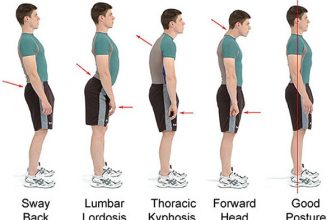
Chronic slouching compresses the spinal discs, rounds the thoracic spine, and creates a visual height loss of 1–2 inches in some people. Standing with the spine in neutral alignment — ears over shoulders, shoulders over hips — recovers that lost height without any actual bone growth.
Common posture problems in teenagers:
- Forward head posture from phone and laptop use
- Rounded shoulders from hours of sitting
- Anterior pelvic tilt from tight hip flexors
Fixing these doesn’t require anything fancy. Dead bugs, bird dogs, face pulls, and hip flexor stretches hit the right muscles. A physical therapist can assess and correct significant issues, especially if back pain is involved.
Backpack weight matters too — carrying more than 10–15% of body weight on one shoulder regularly stresses the spine asymmetrically.
Height Growth Myths Worth Ignoring
Hanging increases height permanently. No. Hanging temporarily decompresses the spine (you also do this while sleeping), but that effect reverses within minutes of standing upright. Bone length doesn’t change.
Stretching makes bones longer. Muscles stretch. Bones don’t. Stretching improves posture and flexibility, which can affect how tall you look — but that’s a different claim.
Height supplements work. Most are a mix of calcium, zinc, and vitamins you could get from food. Some contain herbal extracts with no clinical evidence for height. The FTC has taken action against several “growth” supplements for deceptive marketing. Save the money.
Height pills prescribed by a doctor are available over the counter. Actual growth hormone therapy exists, but it requires a medical diagnosis (like growth hormone deficiency), a prescription, and careful monitoring. It’s not a supplement — it’s a pharmaceutical with real side effects.
When to Talk to a Doctor About Height Growth
If a 16-year-old shows no signs of puberty, has dropped significantly in height percentile on their growth chart, or is growing less than 2 inches per year during a phase when peers are growing faster, that’s worth a conversation with a pediatrician.
A pediatrician can order a bone age X-ray and basic labs to check IGF-1 levels (a proxy for growth hormone activity) and thyroid function. If something’s off, a referral to a pediatric endocrinologist at a children’s hospital is the next step.
Most short teenagers don’t have a diagnosable condition — they’re just at the lower end of normal variation. But the minority who do have a treatable cause (growth hormone deficiency, hypothyroidism, celiac disease affecting nutrient absorption) benefit enormously from early intervention.
Trust the instinct to ask.
Healthy Daily Habits to Maximize Height Potential at 16
Put it all together into a structure that’s actually doable:
Morning: Eat a protein-rich breakfast (eggs, Greek yogurt, peanut butter toast). Hydrate before reaching for the phone.
Afternoon: Get 30–60 minutes of physical activity — a sport, a walk, a workout. Eat a balanced lunch with lean protein and whole grains.
Evening: Do 10 minutes of mobility work or stretching before bed. Set a consistent bedtime. Keep the phone out of the bedroom.
That’s it. No elaborate protocol. The compounding effect of doing those things consistently over 6–12 months is where the result lives.
Frequently Asked Questions
Can you still grow taller at 16?
Many teenagers — especially boys — are still growing at 16. Whether you’re still growing depends on whether your growth plates have closed, which varies by individual. A bone age X-ray is the only definitive way to check.
Is 16 too late to grow taller?
Not for most boys, who often grow until 18–19. For girls, significant growth after 16 is less common but not impossible, particularly for late developers.
Can stretching increase height?
Stretching improves posture and flexibility, which can affect how tall you look — but it doesn’t lengthen bones. The distinction matters.
Which foods help teenagers grow taller?
Foods high in protein, calcium, vitamin D, and zinc support bone development. Eggs, milk, salmon, Greek yogurt, chicken, and fortified cereals are practical staples.
How many hours should a 16-year-old sleep?
The American Academy of Sleep Medicine recommends 8–10 hours per night for teenagers. Growth hormone release peaks during deep sleep, making this one of the most impactful habits for growth.
Do vitamins increase height?
Not directly. Vitamins and minerals support bone development and prevent deficiencies that can slow growth — but they don’t trigger growth beyond your genetic potential.
How can I improve my posture?
Strengthen your core and back through exercises like dead bugs and bird dogs, stretch tight hip flexors daily, and be mindful of head position during screen time. A physical therapist can help with more significant issues.
When do boys stop growing?
Most boys reach their final height between 17 and 19, though some continue until 21. Individual variation is significant.
When do girls stop growing?
Most girls stop growing between 14 and 16, after their main puberty growth spurt.
Should I see a doctor if I’m shorter than my classmates?
If there are signs of delayed puberty, a noticeable drop in growth rate, or less than 2 inches of growth per year during adolescence, a pediatrician visit is worthwhile. Most short teens are healthy — but catching a treatable condition early makes a real difference.