
Hanging from a bar does not permanently increase your height once your growth plates have closed. What it does do is temporarily unload your spine, which can nudge your standing height up by a fraction of an inch for a short while. That’s a real effect, but it’s not the same thing as growing taller.
If you’ve seen a pull-up bar marketed as a height-growth tool, you’re not imagining things. Spinal decompression is a legitimate concept. The problem is what gets built on top of it. Between a short-lived change in spinal spacing and a permanent increase in bone length, there’s a gap that a lot of fitness content quietly skips over.
This guide walks through what hanging actually does to your spine, what the research supports, and what it doesn’t. It also covers safe technique, realistic alternatives for posture, and the factors that genuinely determine how tall you grow.
Key Takeaways
- Hanging does not permanently increase height after growth plates close.
- Spinal decompression may briefly affect measured height, but the effect fades within hours.
- Dead hangs build grip strength and can support shoulder mobility with correct form.
- Better posture can make you look taller without changing bone length.
- Genetics, nutrition, sleep, and hormones drive actual height growth during childhood and the teen years.
- People with shoulder or spine problems should check with a doctor before hanging regularly.
Does Hanging Make You Permanently Taller?
No. Once your growth plates close, there’s no mechanism by which hanging, stretching, or spinal traction adds length to your bones. Growth plates are cartilage, and they’re what allows long bones to lengthen during childhood and adolescence. When they fuse, that door closes for good.
Hanging works on a completely different system. It changes the spacing between your vertebrae temporarily, not the length of the bones themselves. Confusing the two is where most of the “hang your way to taller” claims fall apart.
Why Do Some People Feel Taller After Hanging?
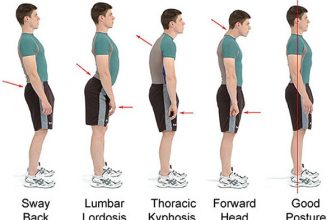
A dead hang pulls gentle tension through your spine and can relax tight muscles around it. That combination often leaves people standing a little straighter right afterward. Straighter posture reads as taller, even when nothing about your skeleton has changed.
There’s also a real physical component. Gravity compresses the fluid-filled discs between your vertebrae throughout the day, and hanging briefly reverses some of that compression. It’s the same reason you measure slightly taller first thing in the morning than you do at night.
How Does Hanging Affect Your Spine and Height?
Your spine is a stack of vertebrae cushioned by discs that act like shock absorbers. Standing, sitting, and walking all compress those discs a little more as the day goes on. Hanging takes your body weight off the spine and lets the discs expand back out, at least for a few minutes.
This isn’t the same as clinical spinal traction, which is a supervised treatment for things like disc compression or nerve pain. A casual dead hang from a bar is a much lower-intensity version of that idea, and it hasn’t been studied as a height intervention the way clinical traction has been studied for pain relief.
What Happens to Your Spine During a Dead Hang?
When you hang, your shoulders and upper back take on load while your spine gets a break from gravity’s usual compression. How much benefit you get depends a lot on your shoulder mobility and how relaxed you can stay in the position. Tense shoulders tend to blunt the effect.
Why Does Your Height Change Throughout the Day?
Most adults measure about a third of an inch to half an inch shorter by evening than they did at wake-up. That’s disc compression from a normal day of standing and sitting, not anything unusual. Hanging taps into the same system, just in reverse, and only briefly.
How Much Height Can You Gain From Hanging?
Realistically, close to none in any permanent sense. Any change you might measure right after hanging reflects spinal decompression and posture, not new bone growth, and it disappears once you’ve been upright and moving around again.
Can Hanging Increase Your Height by 1 or 2 Inches?
Claims promising a specific gain like this don’t hold up. A one or two-inch change is larger than normal daily height fluctuation from spinal compression, and there’s no mechanism that would let hanging produce it. Measurement inconsistency, like measuring barefoot versus in shoes or at different times of day, explains most of the dramatic before-and-after numbers you’ll see online.
How Long Do Height Changes From Hanging Last?
Not long. Once you’re back to standing and walking, normal spinal loading returns and any temporary gain goes with it, typically within an hour or two. There isn’t solid research establishing a specific duration, because the effect is minor and short-lived to begin with.
Can Hanging Make You Taller at Different Ages?
This depends on whether your growth plates are still open, not on a birthday.
Can Hanging Increase Height at 13, 14, or 16?
Teenagers in this age range often are still growing, but that’s because of puberty and open growth plates, not because of hanging. For teens whose growth seems unusually slow compared to peers, a pediatrician visit is a more useful step than adding exercise.
Can You Grow Taller by Hanging After 18 or 25?
By your late teens to mid-twenties, most people’s growth plates have fused, and bone growth stops at that point. Hanging can still improve how you carry yourself at any adult age. It just won’t reopen a biological process that’s already finished.
What Does Science Say About Hanging for Height Growth?
Clinical research on spinal decompression generally studies people with back pain or nerve compression, not healthy people trying to get taller. That’s an important distinction, because results from a therapeutic context don’t automatically transfer to a casual exercise habit.
There’s also no evidence that hanging stimulates growth hormone or growth plate activity in a way that affects adult height. Growth hormone and the GH-IGF-1 pathway respond to genetics, nutrition, sleep, and developmental stage, not to mechanical stretching from a bar.
What Are the Real Benefits of Dead Hangs?
Even without a height payoff, dead hangs earn their place in a workout. Grip strength transfers to almost every other pulling exercise you’ll do, and shoulder mobility work tends to pay off in daily life, not just at the gym.
- Builds forearm and grip endurance
- Can improve shoulder range of motion with consistent practice
- Supports better posture as part of a broader routine
- Requires minimal equipment
Can Dead Hangs Improve Posture?
They can contribute to it, especially when paired with upper-back and core work. On their own, hanging a few times a week isn’t a complete fix for rounded shoulders or forward head posture.
Do Dead Hangs Strengthen Your Grip and Shoulders?
Yes, reliably so. Grip strength is one of the more straightforward benefits of hanging, and it’s useful well beyond the gym, from carrying groceries to rock climbing.
How to Do Hanging Exercises Safely
Start with the basics and build from there.
- Use a bar rated for your body weight.
- Grip with hands slightly wider than shoulder width.
- If a full hang feels like too much, keep your feet lightly touching the ground at first.
- Keep your shoulders relaxed rather than shrugged up toward your ears.
- Breathe normally and avoid swinging.
- Stop before your grip gives out completely.
How Long Should You Hang Each Day?
There’s no magic number tied to height. Most people do fine starting with 10 to 20 second holds and building up gradually as grip and shoulder tolerance improve.
Who Should Avoid Hanging Exercises?
If you have shoulder instability, a recent injury, or a diagnosed spine condition, check with a doctor or physical therapist first. Stop immediately if you feel sharp pain, numbness, or dizziness.
What Other Exercises Can Improve Posture?
| Exercise | What it helps with | Worth knowing |
|---|---|---|
| Dead hangs | Grip, shoulder mobility | Low equipment needs, easy to overdo on tender shoulders |
| Rows | Upper back strength | Directly counters a slouched, rounded posture |
| Wall slides | Shoulder positioning | Good for people who sit at a desk most of the day |
| Yoga or stretching | Flexibility, body awareness | Doesn’t add bone length, but helps you stand taller |
What Actually Determines How Tall You Grow?
Genetics does most of the heavy lifting. Research from MedlinePlus Genetics estimates that inherited DNA accounts for roughly 80% of the differences in height between people, with environment and health making up the rest. That’s a population-level average, so it won’t predict any one person’s final height exactly.
How Do Genetics and Growth Plates Affect Height?
Your genes set a general height range, and growth plates do the actual work of lengthening your bones until they fuse in late adolescence or early adulthood.
Can Nutrition and Sleep Help Teenagers Grow?
Yes, in the sense that deficiencies can hold growth back. Adequate protein, calcium, and vitamin D, along with consistent sleep, support the growth process your body is already running. None of that pushes you past your genetic ceiling, but falling short on any of it can keep you from reaching it.
When Should You See a Doctor About Your Height?
Talk to a pediatrician if growth suddenly slows, puberty seems delayed, or a growth chart shows a significant drop in percentile. These are the situations where a bone age X-ray or hormone evaluation actually tells you something useful.
Frequently Asked Questions
Can hanging for 30 seconds a day make you taller?
No. A short daily hang builds grip endurance over time, but it won’t change bone length regardless of how consistent you are.
Can pull-ups make you taller?
Pull-ups build back and arm strength, and they share some of the spinal unloading effect of a dead hang. Neither exercise lengthens mature bone.
Is hanging better than stretching for height?
Neither one permanently increases adult height. They work through different mechanisms, so combining both for mobility and posture makes more sense than picking a winner.
Can hanging make you look taller?
Often, yes. Better posture and looser shoulders change how you carry yourself, and that reads as taller even without a bone-length change.
Does hanging upside down increase height?
Inversion tables work on a similar decompression principle but carry more risk, including blood pressure changes. They’re not a proven method for permanent height gain either.