

Most people asking this question already have a number in their head — the height they wish they were. The honest answer is that once your growth plates close, bone length doesn’t increase. But that’s not the whole story. Posture, nutrition, sleep, and exercise can still determine whether you’re standing at your genetic ceiling or a few centimeters below it.
The short answer: Adults cannot grow taller by lengthening bones after growth plates fuse, typically by the late teens. However, optimizing sleep, nutrition, posture, and core strength can help you reach the upper end of your genetic range and appear measurably taller — in some cases adding up to an inch of apparent height through posture alone.
Key Takeaways
- Growth plates close in most females around ages 13–15 and in most males around ages 15–17, ending bone elongation permanently.
- Genetics account for roughly 80% of final adult height; nutrition, sleep, and activity determine where you land within that range.
- Adults can improve their apparent height through posture correction, spinal decompression exercises, and core strengthening.
- Supplements do not reopen closed growth plates; they matter only when you have a documented nutritional deficiency.
- The morning-to-evening height difference of about 1 cm is real — spinal discs compress during the day.
Can You Increase Height After 18? Understanding the Science
Bone length stops increasing when growth plates — the cartilage tissue near the ends of long bones — fuse into solid bone. For most females, this happens between ages 13 and 15; for most males, between 15 and 17, though the full range extends to about 19 in some cases. After fusion, no supplement, exercise, or lifestyle change can lengthen those bones. That’s not pessimism — it’s basic skeletal physiology.
What drives growth before that point is a cascade involving the pituitary gland, which secretes growth hormone (GH), which then signals the liver to produce IGF-1. IGF-1 acts directly on the growth plates, stimulating new cartilage production that calcifies and pushes bones longer. Once the plates close, GH continues to circulate — it just no longer has cartilage to work with.
Growth Plates and Skeletal Maturity
The clearest way to know whether your growth plates are still open is an X-ray. Doctors use hand and wrist X-rays to assess bone age, which doesn’t always match chronological age. Some 16-year-olds have the bone maturity of an 18-year-old; some 18-year-olds still have partially open plates. If there’s genuine uncertainty about whether you’ve reached skeletal maturity, a physician can confirm it — not guesswork.
The 1 cm You Actually Have
Here’s a detail most articles skip: you are genuinely taller in the morning than at night. Spinal discs — the cartilage cushions between vertebrae — decompress during sleep and recompress throughout the day under your body weight. The difference is typically about 1 cm. It’s not a trick. Astronauts in microgravity gain up to 3 cm in the first weeks of a mission for the same reason. The practical implication: what’s measured as your “true” height depends partly on when you’re measured.
Factors That Influence Adult Height
Height is set by genetics — research estimates that about 80% of height variation between individuals is genetic, and a massive 5.4 million-person genomic study identified more than 12,000 genetic variants associated with height. That’s a strong signal. But genetics sets a range, not a fixed point.
The remaining 20% is where everything else operates: nutrition, sleep, illness history, stress levels, and physical activity during childhood and adolescence. These factors don’t override your genes — they determine whether you end up at the top or bottom of your inherited range. A person genetically capable of reaching 5’11” who experienced chronic malnutrition in childhood might top out at 5’8″. That gap is real and preventable.
For adults, the levers shift. Bone length is fixed. But posture, disc health, muscle tone, and body composition are still movable — and they affect both how tall you measure and how tall you look.
| Factor | Influence During Growth | Influence in Adults |
|---|---|---|
| Genetics | ~80% of final height | Fixed — cannot change |
| Nutrition | Determines where in genetic range you land | Supports bone density, posture |
| Sleep | GH release; critical for bone growth | Muscle recovery, disc health |
| Exercise | Bone density; does not lengthen bone | Posture, core strength, appearance |
| Stress/Illness | Can suppress GH and stunt growth | Minimal effect on height |
Nutrition That Supports Healthy Bones and Posture
Nutrition doesn’t lengthen adult bones. It does maintain bone density, support the muscles that hold your spine upright, and prevent the slow loss of height that comes with age — which starts earlier than most people expect.
The nutrients that matter most aren’t exotic.
Protein provides the raw materials for bone matrix. IGF-1 production is protein-dependent, which is why adequate protein intake is linked to bone development and maintenance. Adults need roughly 0.8g per kilogram of body weight daily at minimum; those who are active need more. Chicken, fish, eggs, legumes, and dairy all deliver it efficiently.
Calcium is the primary mineral in bone. Adults aged 19–50 need 1,000 mg daily (1,200 mg for women over 50). A cup of plain yogurt provides around 415 mg; a cup of milk around 300 mg. Non-dairy options include fortified plant milks, canned sardines with bones, and leafy greens like kale and bok choy.
Vitamin D enables calcium absorption — without it, calcium passes through largely unused. Deficiency is common in the US, particularly among people who spend most of their time indoors. The primary source is sun exposure (15–20 minutes on arms and legs several times per week for most people with lighter skin; longer for those with more melanin). Food sources — fatty fish, fortified milk, egg yolks — help but rarely suffice alone.
Zinc and magnesium play supporting roles in bone remodeling and collagen synthesis. Both appear in meat, nuts, seeds, and whole grains. Most people with a reasonably varied diet aren’t deficient; those eating a narrow, processed diet may be.
The overall dietary pattern matters more than any single food. Diet quality score is associated with height-for-age in US children, and the same logic applies to maintaining bone health in adults: it’s the whole diet, not one ingredient.

Best Exercises to Improve Posture and Maximize Your Height Appearance
Exercise cannot lengthen bones after adulthood. That’s the trade-off worth naming upfront. What it can do — meaningfully — is correct the postural habits that quietly rob many adults of an inch or more of apparent height.
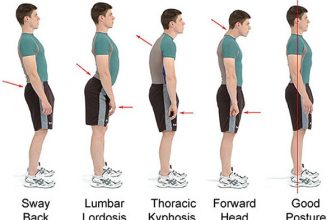
Rounded shoulders, a forward head position, and a compressed thoracic spine are nearly universal among people who sit at desks for eight hours a day. None of these are structural problems. They’re muscular imbalances that respond well to targeted work.
Core and Posterior Chain Strengthening
A strong core stabilizes the spine in its natural curves. Dead bugs, planks, and bird-dogs build deep stabilizer strength without loading the spine. Exercises targeting the posterior chain — glutes, hamstrings, upper back — counteract the forward-pulled posture that desk work creates.
Stretching and Spinal Decompression
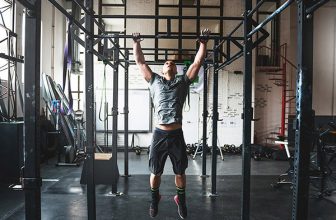
Hanging from a bar temporarily decompresses spinal discs, which does produce a brief increase in apparent height — typically a few millimeters. It does not lengthen bone, and the effect reverses within an hour or two. That said, regular hanging improves shoulder mobility and relieves disc compression in people whose spines are chronically loaded.
Yoga and Pilates both improve spinal alignment, hip mobility, and postural awareness. Swimming is one of the few activities that loads the spine horizontally rather than vertically, making it useful for people with compression-related back issues.
What Exercise Actually Does for Bone
Weight-bearing exercise improves bone mineral density in adolescents, which matters for long-term skeletal health even when it doesn’t increase height. Running, jumping, and resistance training all qualify. The mechanism is mechanical loading — bones respond to stress by depositing more mineral. This doesn’t make you taller, but it does help you stay at your current height longer as you age.
Why Sleep Matters for Growth Hormone and Recovery
Most of the body’s growth hormone is released in the first few hours of deep (slow-wave) sleep — not as a constant drip throughout the day, but in discrete pulses timed to sleep cycles. Sleep disruption reduces GH secretion in children, which is why sleep is probably the most evidence-backed lifestyle factor for growth during the years it’s still possible.
For adults, GH continues to circulate but no longer drives bone elongation. It does support muscle recovery, tissue repair, and body composition. Chronic sleep deprivation raises cortisol, which is catabolic — it breaks down muscle tissue and undermines the hormonal environment that keeps the body functioning well.
The practical recommendations are less inspiring than the mechanism. The National Sleep Foundation recommends 7–9 hours for adults. Most people know this. The gap between knowing it and doing it is where the work actually is.
Better sleep hygiene — consistent sleep and wake times, a dark and cool room, limiting screens in the hour before bed — improves sleep quality, not just duration. Earlier bedtime produces more slow-wave sleep than the same number of hours starting at 2 a.m. The timing matters.
Can Supplements Help Increase Height After 18?
The honest answer: supplements cannot reopen closed growth plates. Full stop. Any product claiming to increase adult bone length is making a claim that contradicts basic physiology.
What supplements can do is correct a nutritional deficiency. If you’re vitamin D deficient — which is common — supplementing returns you to sufficiency, which supports bone health and overall hormonal function. That’s not the same as growing taller. It’s maintaining the function you already have.
Calcium supplements have a more complicated picture. Research suggests that calcium from food sources is absorbed more efficiently than isolated supplements, and high-dose calcium supplements have been associated with cardiovascular concerns in some studies (the evidence is debated, but worth noting). For most people with access to dairy or fortified foods, dietary calcium is preferable.
NuBest Tall Gummies and similar products marketed to adults contain nutrients that support general health — calcium, vitamin D, zinc. They’re essentially multivitamins with height-adjacent marketing. If they address a real deficiency, there’s benefit. If you’re already well-nourished, the benefit doesn’t extend to height.
The list of nutrients that support growth is, inconveniently, also just a list of things you can get from a balanced diet. The supplements exist for when the diet falls short, not as a shortcut past biology.
Height Myths That Science Has Debunked
Hanging increases height permanently. Hanging decompresses spinal discs and briefly increases apparent height. The effect reverses within an hour or two as discs recompress under normal loading. No study has shown permanent bone elongation from hanging in adults.
Stretching lengthens bones. Stretching improves flexibility and muscle length. It does not affect bone. The temporary height gain some people notice after stretching is spinal decompression — the same mechanism as hanging, different execution.
Supplements can stimulate growth plate activity in adults. Closed growth plates are closed. The cartilage has been replaced by bone. No supplement changes that. Growth hormone injections, which are a legitimate medical treatment for GH-deficient children, have no meaningful effect on height in adults with fused plates.
Basketball players are tall because basketball makes you tall. The causality runs the other direction. Tall people are selected into basketball. Sports that reward height attract and retain tall players. The apparent correlation between sport and height is selection bias, not a training effect.

Healthy Habits That Help You Look and Feel Taller Every Day
Posture is the most underrated height variable available to adults. A forward head posture — where the head sits two to three inches in front of the shoulders — adds approximately 10 pounds of perceived weight to the cervical spine and collapses visible height. Correcting it costs nothing and changes how you carry yourself immediately.
A few habits worth building:
- Align your ears over your shoulders when standing. If you have to actively think about this, your default position is forward.
- Set up your workspace ergonomically. Monitor at eye level, feet flat on the floor, lower back supported. Most desk setups encourage the exact posture that compresses apparent height.
- Walk with intention. Head level, shoulders back, gaze forward. It sounds trivial. It isn’t — proprioceptive awareness is trainable, and the habit compounds.
- Maintain a healthy weight. Excess weight, particularly around the midsection, shifts the pelvis anteriorly and increases lumbar lordosis, which rounds the lower back and decreases standing height.
- Wear well-fitted footwear. Shoes with a slight heel-to-toe drop improve posture by orienting the pelvis more neutrally. This is why dress shoes tend to make people stand straighter.
None of this is glamorous advice. It’s also the advice that actually works.
Final Thoughts
The biology is what it is: bones stop growing when growth plates close, and nothing currently available changes that. But the honest follow-up is that most people aren’t standing at their full height anyway — compressed spines, weak cores, and forward postures quietly subtract from what genetics provided.
The goal after 18 isn’t growth. It’s not leaving anything on the table.
FAQ
Can men grow taller after 18?
Most men’s growth plates close between ages 15–17, though some close as late as 19. After fusion, bone elongation stops. Men over 18 with fully closed growth plates cannot increase height through bone growth, but posture improvement and spinal health can increase apparent height.
Can women grow taller after 18?
Female growth plates typically close between ages 13–15 — earlier than males. By 18, most women have been at their final bone-determined height for several years. Posture, core strength, and spinal health still affect how tall they appear and measure.
Can stretching increase height permanently?
No. Stretching improves flexibility and temporarily decompresses spinal discs, producing a brief increase in apparent height. It does not affect bone length, and the effect reverses within hours as discs recompress during normal daily activity.
Does basketball make you taller?
No — the relationship is reversed. Tall people are disproportionately recruited into and selected for basketball. The sport doesn’t create height; it attracts it. Exercise during growth years supports bone density and general health, but does not directly increase bone length.
Is surgery the only way to actually increase height?
Limb-lengthening surgery — which involves breaking bones and gradually separating the fragments to stimulate new bone formation — can add several inches of actual height. It is an intensive orthopedic procedure involving months of recovery and rehabilitation. It exists as a medical treatment, not a routine cosmetic option.
Are height supplements effective?
Supplements cannot reopen closed growth plates or lengthen adult bones. They may help correct nutritional deficiencies (vitamin D, zinc, calcium) that affect bone health and overall function. The benefit applies to people with documented deficiencies, not to well-nourished adults seeking additional height.
What foods support bone health?
Dairy products, canned fish with bones (sardines, salmon), fortified plant milks, eggs, leafy greens (kale, bok choy), nuts, and seeds are the primary sources of calcium, vitamin D, protein, zinc, and magnesium that bones require. The pattern matters more than any single food.
How can I improve my posture naturally?
Strengthen your core and posterior chain, set up your workspace ergonomically, practice aligning ears over shoulders when standing, and stretch hip flexors and chest muscles that tighten from prolonged sitting. Yoga and Pilates both address postural imbalances systematically. Consistency over a few months produces visible change




when will generic cialis be available in the us