

At 17, most teenagers are somewhere between “definitely still growing” and “basically done” — and the gap between those two realities is wider than most people realize. Whether you’re watching your friends shoot up while you stay stuck, or you’re just trying to squeeze out every last inch before your growth plates close, this article breaks down what’s actually happening in your body and what you can do about it.
How to grow taller at 17 is one of the most searched height questions among American teenagers, and it makes sense. This is late adolescence — the window is closing, but it hasn’t closed yet for everyone.
Featured snippet answer: Yes, many 17-year-olds can still grow taller, particularly boys. Growth depends on whether your growth plates remain open — something only a bone age X-ray can confirm. Genetics set your ceiling, but sleep, nutrition, and exercise help you reach it. No supplement or device can override your biology.
Key Takeaways
- Most boys continue growing until 17–19; most girls stop by 15–17, though individual variation is significant.
- Open growth plates mean height gain is still possible — closed plates mean it isn’t, regardless of what you eat or how much you hang from a bar.
- Sleep is the most underrated growth lever: the body releases most of its growth hormone during deep sleep.
- Protein, calcium, vitamin D, and zinc are the nutrients that matter most during this window.
- Posture improvements can add 1–2 inches of apparent height without any bone growth at all.
How to Grow Taller at 17: Is It Still Possible?
Growth at 17 is possible — but it’s not guaranteed. Whether you’re still growing comes down entirely to whether your growth plates are still open.
When Do Most People Stop Growing?
Girls typically reach their final height between 14 and 16, though late developers can continue into 17. Boys have a longer runway: most stop growing between 17 and 19, with some reaching skeletal maturity closer to 21. According to the CDC’s growth reference data, the average American male gains his last noticeable height increment around age 17–18, while females plateau about two years earlier.
The critical variable isn’t your birthday — it’s your growth plates. These are the cartilage zones at the ends of your long bones where new bone tissue forms. Once they calcify and close, vertical growth stops completely. That’s not a metaphor. The mechanism just turns off.
Factors That Determine Your Final Height
Genetics accounts for roughly 60–80% of your final height. If both your parents are shorter, you’re working with a lower ceiling — but that doesn’t mean you can’t reach it. Environmental factors fill in the rest.
Growth hormone (GH), secreted by the pituitary gland, drives the actual lengthening of your bones. GH levels peak during puberty and decline steadily afterward. Nutrition, sleep quality, and physical activity all influence how much GH your body produces and how effectively your tissues respond to it. Medical conditions — hypothyroidism, growth hormone deficiency, malnutrition — can depress final height significantly below genetic potential, which is why unexplained short stature always warrants a doctor’s evaluation.
Understanding Growth Plates and Bone Development
What Are Growth Plates?
Growth plates — also called epiphyseal plates — are bands of cartilage found near the ends of your long bones: femur, tibia, fibula, humerus. During childhood and adolescence, cells in these plates multiply and eventually harden into bone, pushing the bones longer. The plates in your legs close last, which is why late-adolescent height gains tend to show up in leg length.
Can Growth Plates Reopen?
No. Once growth plates fuse, they’re gone. There’s no supplement, exercise, or intervention that reopens them. Some companies sell products claiming otherwise — that’s marketing, not biology.
How Doctors Determine If You’re Still Growing
A pediatric endocrinologist uses a left-hand X-ray to assess bone age — comparing your skeleton’s maturity against reference charts. A bone age of 15 in a 17-year-old suggests continued growth potential. A bone age of 18 in a 17-year-old means the plates are likely closed or nearly so. This test takes minutes and provides real information, which is worth more than any amount of guessing.
Best Habits That May Help You Reach Your Maximum Height
These habits don’t create height you weren’t going to have. They prevent you from falling short of the height you were.
Prioritize High-Quality Sleep
Most growth hormone release happens during slow-wave (deep) sleep — specifically in the first few hours after you fall asleep. Teenagers who consistently sleep fewer than 8 hours interrupt this cycle repeatedly. The American Academy of Sleep Medicine recommends 8–10 hours for adolescents. This isn’t a “nice to have.” Short sleep during active growth phases is one of the clearest environmental factors associated with reduced final height.
Go to bed at the same time every night. Keep your room dark. Cut screens an hour before sleep. None of that is exciting advice, but it’s what the data supports.
Eat a Nutrient-Dense Diet
The foods that help you grow taller aren’t exotic — they’re the ones that consistently support bone density, hormone production, and tissue repair.
- Protein drives bone matrix formation and muscle development. Protein and height growth are closely linked during adolescence — aim for 0.8–1.0 grams per pound of body weight daily. Greek yogurt, eggs, salmon, and chicken are practical sources for American teens.
- Calcium is the primary structural mineral in bone. Teenagers need about 1,300 mg daily — more than at any other life stage. Milk, fortified cereals, and leafy greens (kale, bok choy) get you there without supplements.
- Vitamin D enables calcium absorption. Without adequate vitamin D, your gut absorbs only 10–15% of dietary calcium instead of 30–40%. Salmon, fortified milk, and 15–20 minutes of daily sunlight exposure all help. Vitamins for height growth matter most when you’re deficient — if your levels are already normal, more won’t add extra inches.
- Zinc and magnesium support GH secretion and bone mineralization. Pumpkin seeds, legumes, and whole grains cover both.
- Vitamin K — found in leafy greens — helps regulate calcium deposition in bone tissue rather than soft tissue.
Exercise Regularly
Physical activity stimulates GH release and builds the muscular support structure around your skeleton. Does basketball make you taller? Not directly — but the sprinting, jumping, and stretching involved support healthy growth patterns during adolescence. Does swimming increase height? Similarly indirect — it promotes full-body elongation habits and core strength without compressing the spine.
Resistance training doesn’t stunt growth when programmed correctly. The concern about weight training stunting growth applies to heavy maximal loading with poor form — not to age-appropriate strength work. Squats, deadlifts at moderate loads, and bodyweight exercises support bone density without threatening growth plates.
Sprinting and high-intensity interval work spike GH more reliably than steady-state cardio. Add mobility work daily to maintain joint range — stiff hips and a compressed spine rob you of the posture gains that come from everything else you’re doing.
Exercises That Improve Posture and Help You Look Taller
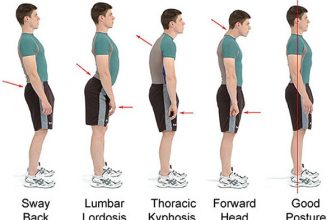
Posture can add 1–2 perceived inches without any change in bone length. Most teenagers walk around with forward head posture, rounded shoulders, and an anterior pelvic tilt — all of which compress apparent height.
Core Strength
A weak core lets your spine sag. Dead bugs, planks, and Pallof presses train the deep stabilizers that hold your spine in neutral alignment throughout the day.
Hip Mobility
Tight hip flexors — common in anyone who sits for school — pull the pelvis forward and create lumbar compression. Hip flexor stretches and 90/90 mobility drills counteract this. Do them daily, not just on workout days.
Shoulder Alignment
Rounded shoulders from phone and laptop use push your head forward and collapse your upper back. Face pulls, band pull-aparts, and thoracic extension over a foam roller restore the alignment that lets you stand at your actual height.
Spine Mobility
Cat-cow sequences, thoracic rotations, and hanging decompression (dead hangs from a pull-up bar) maintain intervertebral disc hydration and reduce the spinal compression that accumulates during a day of sitting.
Daily Stretching Routine
Ten minutes in the morning — hamstrings, hip flexors, thoracic spine, shoulders — does more for posture than an hour of stretching once a week. Consistency beats intensity here.
Height Growth Myths You Should Avoid
Can Stretching Make You Permanently Taller?
No. Does stretching make you taller? Stretching improves posture and temporarily decompresses the spine, which can make you measure a few millimeters taller in the morning than at night. It does not lengthen bone. The gains disappear once you sit back down.
Do Hanging Exercises Increase Height?
Does hanging increase height? Hanging decompresses the spine and is great for shoulder health. It doesn’t grow bone. Dead hangs are worth doing for posture and spinal health — just not for the reason most people claim.
Do Height Growth Supplements Work?
The honest answer: not for people who are adequately nourished. Height growth pills and gummies sold in the U.S. typically contain calcium, vitamin D, zinc, and herbal extracts. If you’re already deficient in those nutrients, correcting the deficiency may support growth. If you’re not deficient, adding more does nothing. The FDA does not approve height supplements for efficacy — they’re regulated as dietary supplements, meaning the burden of proof is low.
Can Shoes or Insoles Increase Real Height?
Elevator shoes and thick insoles change how tall you appear. They don’t change your skeleton. That’s fine if it’s what you want — just don’t confuse it with actual growth.
Does Basketball Make You Taller?
Taller people tend to play basketball, which creates the illusion that basketball causes height. The sport’s jumping, sprinting, and overhead movements support healthy growth habits during adolescence, but the causation runs the other way.
When Should You See a Doctor About Your Height?
Signs Your Growth May Be Delayed
See a pediatrician if you’re a 17-year-old boy who hasn’t started puberty or has progressed through it unusually slowly. Red flags include no significant height gain in the past year, delayed secondary sex characteristics, or a family history of hormonal disorders.
Hormonal Disorders
Growth hormone deficiency and hypothyroidism are the most common medical causes of short stature in teenagers. Both are treatable — but only if caught.
Growth Hormone Deficiency
GH deficiency causes growth velocity to fall below 2 inches per year in mid-childhood. A pediatric endocrinologist can test GH levels and bone age together to determine whether treatment is appropriate.
Thyroid Problems
Hypothyroidism slows growth by suppressing the metabolic activity required for bone development. A simple blood test (TSH level) screens for it. Undiagnosed hypothyroidism is an underappreciated cause of unexplained growth delay.
What an Endocrinologist Can Evaluate
A pediatric endocrinologist can assess bone age via X-ray, run hormone panels (GH, IGF-1, TSH, testosterone or estrogen), review growth charts over time, and determine whether your growth velocity is within normal range. In the U.S., a referral from your primary care physician typically triggers insurance coverage — worth checking with your insurer before the appointment.
Frequently Asked Questions About Growing Taller at 17
Can a 17-Year-Old Still Grow 2 Inches?
Yes, for many 17-year-old boys. Two inches of remaining growth is plausible if bone age assessment shows open growth plates. For most girls at 17, 2 inches would be unusual but not impossible if they’re late developers.
How Can Boys Grow Taller at 17?
Sleep 8–10 hours nightly, eat adequate protein and calcium, maintain consistent physical activity, and see a doctor if growth seems stalled — those are the four levers with actual evidence behind them. Everything else is secondary.
How Can Girls Grow Taller at 17?
Most girls are near their final height by 17. The focus shifts to reaching maximum potential through nutrition and posture rather than expecting additional bone growth. If you haven’t reached your predicted adult height based on parents’ heights, a bone age assessment is worthwhile.
Does Sleep Really Affect Height?
Yes — and it’s probably the most controllable variable most teenagers ignore. Growth hormone peaks during deep sleep. Chronic short sleep suppresses GH release during the most productive years of adolescent development.
What Foods Help You Grow Taller?
Protein (eggs, Greek yogurt, salmon), calcium-rich foods (milk, fortified cereals, leafy greens), and vitamin D sources (salmon, fortified milk, sunlight). These aren’t exotic. They’re the foods your body uses to build bone.
Can You Grow Taller After 18?
Rarely, and only if growth plates remain open — which some late-developing males experience into their early 20s. A bone age X-ray answers this definitively. Without open plates, no lifestyle change produces height gain.
Are Height Growth Pills Safe?
Most are generally safe but ineffective for people without nutritional deficiencies. They’re not regulated for efficacy by the FDA. Save the money for actual food.
Action Plan: Daily Routine to Maximize Your Height Potential at 17
This isn’t complicated. It’s consistent.
Morning: 10 minutes of mobility work — hip flexors, thoracic spine, hamstrings. Then a breakfast with at least 25–30g of protein (eggs, Greek yogurt, cottage cheese) plus calcium from milk or fortified cereal. Get 15–20 minutes of outdoor sunlight before noon for vitamin D.
Throughout the day: Distribute protein intake across meals rather than loading it all at dinner — your body can only use about 30–40g of protein per meal for muscle and bone synthesis. Drink water consistently; dehydration compresses intervertebral discs.
After school/evening: Strength training 3–4 times per week — compound movements like squats, deadlifts, rows, and overhead press at moderate loads. Include one or two sprint sessions weekly for the GH stimulus. Practice standing with your weight evenly distributed, shoulders back, chin neutral. It sounds minor until you realize most teenagers spend 8 hours a day in a collapsed posture that literally makes them shorter.
Before bed: Wind down 60 minutes before sleep. No screens. Same bedtime every night. Aim for 8–10 hours. This is the one where the biology is clearest — skip it and you’re actively limiting your own growth hormone production during the only years it matters at this scale.
The Bottom Line
Most 17-year-old boys still have real growth potential; most girls are near their final height but haven’t always reached it. Sleep and nutrition are the two variables most within your control and most consistently linked to reaching genetic height potential. If growth seems stalled or something feels off, a bone age assessment from a pediatric endocrinologist gives you an actual answer — not a guess





Tks for post!