A 14-year-old who suddenly becomes the shortest player on the basketball team can feel like the whole room got taller overnight. A parent sees the search history next: “best height growth supplements,” “height pills for teenagers,” “grow taller supplements.” It’s understandable. Height feels tied to sports, confidence, dating, college athletics, and sometimes family pressure that nobody says out loud.
Here’s the part that gets messy: supplements can support teen growth only when nutrition is missing something; they don’t force bones to grow beyond genetic potential. The Centers for Disease Control and Prevention tracks teen growth through growth charts, while the American Academy of Pediatrics and the Endocrine Society point families toward medical evaluation when growth seems unusually slow, delayed, or far outside the expected pattern [1][2][3].
That means the useful conversation isn’t “Which pill adds inches?” It’s more grounded than that. You’re looking at the puberty timeline, growth plates, adolescent development, bone density, nutrition, sleep, and whether growth hormones are working normally.
For most American teens, the best height growth supplements are not miracle products. They’re practical options such as teen multivitamins, vitamin D3, calcium, zinc, magnesium, iron when needed, and protein supplements when food intake falls short.
How Height Growth Works in Teenagers
Teen height growth starts with genetics, then nutrition, hormones, sleep, and health status influence how much of that genetic range actually shows up.
Most teens grow taller because long bones lengthen at soft cartilage zones near the ends of bones. These areas are called growth plates, or epiphyseal plates. During puberty, the pituitary gland releases growth hormone, which helps trigger IGF-1 activity. That chain supports bone growth, muscle development, and tissue repair.
In daily life, this looks less dramatic than supplement ads make it seem. A teen boy may grow 3 inches in one school year, then barely move the next semester. A teen girl may hit her growth spurt earlier, then slow down while classmates are just getting started. Nemours KidsHealth and Mayo Clinic both describe puberty growth as variable, with timing depending heavily on sex, genetics, and pubertal stage [4][5].
Tanner stages, the medical stages of puberty, matter more than age alone. A 13-year-old in early puberty has a different growth window than a 13-year-old who entered puberty at 9. Skeletal maturity matters too. A bone age test can show whether the growth plates still have room to lengthen.
For many girls, height growth slows within roughly 2 years after the first menstrual period. For many boys, growth continues longer, often into the later teen years. That timeline isn’t perfectly neat, and it’s where families often get confused. One teen is “late,” another is simply following a family pattern.
Do Height Growth Supplements Really Work?
Height supplements work only when they correct a nutritional gap that limits normal growth. They don’t override genetics, reopen closed growth plates, or replace medical treatment for hormone disorders.
That sentence annoys some people because it removes the fantasy. But it also protects you from wasting money.
The U.S. supplement market is not regulated like prescription medication. The U.S. Food and Drug Administration does not approve dietary supplements for effectiveness before they go on the market [6]. The Federal Trade Commission can act against deceptive advertising, but that doesn’t mean every bold “grow taller” label gets stopped before families see it [7].
A useful way to think about teen height vitamins is this:
| Claim on product label | What it usually means in real life |
|---|---|
| “Supports growth” | Contains nutrients involved in normal growth, such as vitamin D, calcium, zinc, or protein |
| “Clinically studied ingredients” | One ingredient may have research behind it, not necessarily the full product |
| “Boosts HGH naturally” | Often vague marketing unless backed by strong clinical evidence |
| “Grow taller fast” | Red flag, especially after growth plates close |
| “Doctor recommended” | Ask which doctor, for what teen, and based on what testing |
The National Center for Complementary and Integrative Health warns that “natural” does not automatically mean safe [8]. Consumer Reports and the Better Business Bureau have also raised concerns about misleading supplement claims, especially when testimonials replace evidence.
Look for boring signs of quality. Boring is good here.
Useful checks include:
- Third-party testing from U.S. Pharmacopeia, NSF, or Informed Choice
- Clear dosages listed in milligrams or international units
- No “proprietary blend” hiding amounts
- Age-appropriate labeling for teenagers
- No steroid-like, hormone-like, or stimulant-heavy ingredients
Placebo effect also plays a role. A teen who starts supplements may also start eating breakfast, lifting weights, sleeping more, and drinking milk again. The supplement gets the credit, but the whole routine changed.
Key Nutrients That Support Teen Growth
Vitamin D, calcium, protein, zinc, magnesium, and iron support teen growth because bones, muscles, and hormones need raw materials during puberty.
Vitamin D helps the body absorb calcium. Calcium builds bone strength. The Office of Dietary Supplements notes that teenagers aged 14 to 18 need 1,300 mg of calcium daily, and 600 IU of vitamin D daily is the recommended amount for most teens [9][10]. Those numbers matter because teen diets often miss them, especially when soda, energy drinks, or skipped breakfasts replace dairy, fortified foods, or balanced meals.
Protein matters too. Growth is physical construction. Amino acids from protein support muscle, bone matrix, and collagen synthesis. A teen athlete training after school may simply not eat enough total food. That’s not a “height supplement” problem. That’s a fuel problem.
Zinc supports normal growth and immune function. Magnesium supports bone structure and muscle function. Iron matters especially for teen girls because menstruation increases iron loss. Low iron can drag down energy, training capacity, and overall health.
Food still wins most of the time. The Academy of Nutrition and Dietetics and USDA dietary guidance emphasize balanced meals with fruits, vegetables, grains, protein foods, and dairy or fortified alternatives [11][12].
Common nutrient-support options include:
- Vitamin D3, especially for teens with low sun exposure or darker skin living in northern states
- Calcium plus vitamin D, especially when dairy intake is low
- Teen multivitamins, especially for picky eaters
- Zinc, only when intake is low or a clinician identifies deficiency
- Iron, only after screening or medical guidance
- Protein powder, mainly for athletes who can’t meet protein needs through meals
A quick caution: more isn’t better. Vitamin D, calcium, iron, and zinc can cause problems when taken too heavily. The “just add extra” mindset is where height vitamin facts get lost.
Best Height Growth Supplements for Teenagers in the U.S.
The best height growth supplements in the U.S. are teen-safe products that fill nutrition gaps, use transparent labels, and avoid exaggerated height claims.
No brand can promise extra inches. Still, several U.S.-available supplement types make sense in the right context.
| Supplement type | Examples of U.S. brands | Best fit | What to check |
|---|---|---|---|
| Teen multivitamin | SmartyPants Vitamins, Garden of Life, Nature Made | Picky eaters or inconsistent diets | Age range, vitamin D, zinc, iron content |
| Calcium plus vitamin D | Nature Made, Thorne | Low dairy intake or low calcium intake | Calcium dose, vitamin D3 amount, USP verification |
| Protein powder | Optimum Nutrition, Garden of Life, Thorne | Teen athletes or low-protein eaters | NSF Certified Sport, sugar content, serving size |
| Magnesium | Nature Made, Thorne | Low intake or muscle cramping concerns | Form of magnesium, dose |
| Iron | Nature Made, Thorne | Confirmed low iron or teen girls with deficiency risk | Medical guidance, constipation risk, dose |
Nature Made has multiple USP Verified products, which means selected products meet U.S. Pharmacopeia standards for identity, strength, quality, and purity. NSF Certified Sport matters for teen athletes because it screens products for banned substances. Thorne and Optimum Nutrition offer products with sports-focused testing on selected items, while Garden of Life and SmartyPants often appeal to families looking for non-GMO, gluten-free, or gummy formats.
The label matters more than the brand name. A clean teen multivitamin with appropriate vitamin D and zinc is more useful than a flashy “height growth product US” that hides ingredients in a proprietary blend.
Personal-style note, without sugarcoating it: gummy vitamins are easy to take, but they often contain added sugar and may leave out minerals like calcium or iron because those don’t fit well into gummies. That tiny detail catches a lot of families by surprise.
Safety Considerations for American Teens
Safe supplements for teens depend on age, dose, medications, medical history, and whether the product contains hidden stimulants or hormone-like ingredients.
The American Academy of Family Physicians encourages families to discuss supplement use with clinicians, especially when a child takes medication or has chronic health issues [13]. Poison Control also warns that vitamins and supplements can cause toxicity, particularly iron, vitamin D, and multi-ingredient products [14].
Sports supplements deserve extra caution. Pre-workouts, testosterone boosters, “HGH boosters,” fat burners, and muscle-building blends are not appropriate shortcuts for height. Some products contain stimulants that affect heart rate, sleep, anxiety, or blood pressure. For teen athletes, poor sleep from stimulant use can work against growth-supportive habits.
In practice, safer buying looks like this:
- Choose products labeled for teens or clearly appropriate for age
- Keep total daily intake below upper limits unless a doctor says otherwise
- Avoid stacking several products with the same nutrients
- Watch for nausea, constipation, headaches, sleep changes, or rashes
- Store iron-containing products away from younger children
- Ask a pediatrician about supplements before surgery, new medication, or chronic illness care
Drug interactions matter too. Calcium can interfere with certain medications. Iron interacts with thyroid medication and some antibiotics. Magnesium may affect absorption of other drugs. Children’s Hospital of Philadelphia, Stanford Children’s Health, and Massachusetts General Hospital all emphasize pediatric screening when symptoms, medications, or growth concerns overlap with supplementation.
The quiet danger is duplication. A teen takes a multivitamin, a calcium chew, a protein shake with added vitamins, and a “growth” capsule from an online brand. Suddenly the dose is not simple anymore.
Natural Ways to Support Height Growth
Sleep, food, movement, and posture support height growth more reliably than most supplements because they affect the body’s daily growth environment.
Teenagers usually need 8 to 10 hours of sleep per night, according to sleep guidance used by pediatric health organizations and the National Sleep Foundation [15]. Growth hormone secretion rises during deep sleep, so the midnight scrolling habit matters more than it looks. Not in a magical “sleep taller tonight” way. More like months of recovery, appetite regulation, and hormone rhythm.
A balanced American diet does the unglamorous work. Eggs, Greek yogurt, beans, chicken, fish, tofu, fortified cereal, milk, leafy greens, nuts, and whole grains all contribute pieces of the growth puzzle. The USDA MyPlate framework is basic, but for a teenager living on chips and iced coffee, basic is exactly where the repair starts [12].
Exercise helps too, though not because basketball stretches bones. Basketball, swimming, soccer, resistance training, and YMCA-style youth fitness programs build muscle, coordination, posture alignment, and bone loading. The American College of Sports Medicine supports resistance training for youth when it is supervised and technique-focused [16].
Helpful habits include:
- 8 to 10 hours of sleep most nights
- Protein at breakfast, lunch, and dinner
- Calcium-rich foods daily
- Regular sports or resistance training
- Less late-night screen time
- Good posture during studying, gaming, and phone use
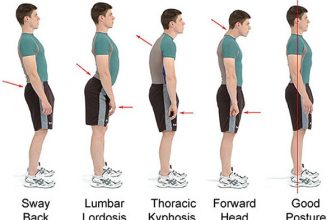
Posture deserves a small mention because it’s not true height growth, yet it changes how tall a teen appears. Rounded shoulders and forward head posture can steal visible height. Strengthening the upper back and practicing better desk posture won’t lengthen bones, but it can make existing height show up better.
Myth-Busting: Common Height Supplement Misconceptions
Height supplement myths spread because they sound just believable enough.
| Myth | What’s actually true |
|---|---|
| Height pills can add 3 to 6 inches after puberty | Closed growth plates don’t lengthen from supplements |
| HGH boosters work like prescription growth hormone | Prescription HGH treats specific medical conditions under endocrinology care |
| Calcium alone makes teens taller | Calcium supports bone strength, but genetics and puberty timing drive height |
| Protein shakes stunt growth | Normal protein intake does not stunt growth; extreme dieting and poor nutrition are bigger concerns |
| Expensive supplements work better | Price does not prove clinical evidence or label accuracy |
| Online-only brands are more advanced | Some are legitimate, but many rely on aggressive claims and weak testing |
The biggest misconception is that “natural” means harmless. Natural arsenic is still arsenic. That line sounds dramatic, but it helps explain the point fast. Supplement toxicity is real when dosing gets sloppy.
Another common mistake is blaming height on one nutrient. A teen may take zinc for 6 months, then feel cheated. But low sleep, low calories, delayed puberty, thyroid problems, or family growth pattern may be the real story.
When to See a Doctor About Height Concerns
A teen should see a doctor about height concerns when growth slows sharply, puberty seems delayed, height drops across growth chart percentiles, or symptoms suggest a medical issue.
Growth charts matter because they show velocity, not just height. A teen at the 10th percentile who grows steadily may be healthy. A teen who falls from the 60th percentile to the 20th percentile over time deserves attention.
Medical causes can include:
- Growth hormone deficiency
- Delayed puberty
- Thyroid disorders
- Celiac disease
- Chronic inflammatory conditions
- Poor calorie intake
- Eating disorders
- Genetic conditions
- Medication effects
The American Thyroid Association explains that thyroid hormone affects growth and development [17]. Pediatric endocrinology groups often evaluate short stature with growth history, family height, puberty stage, lab tests, IGF-1 levels, and bone age testing. Boston Children’s Hospital, Texas Children’s Hospital, and Nationwide Children’s Hospital all describe pediatric endocrinologists as specialists who evaluate growth, puberty, and hormone-related conditions.
A bone age X-ray is one of the more useful tools. It compares hand and wrist bone development with typical skeletal maturity. If bone age is delayed, more growth time may remain. If bone age is advanced, the growth window may be shorter than expected.
This is where supplements stop being the main character. A teen with true growth hormone deficiency needs medical diagnosis and treatment, not a supplement stack from a sponsored TikTok review.
FAQs About Height Growth Supplements for Teenagers
Can supplements add inches to a teenager’s height?
Supplements can help a teenager reach normal growth potential only when a nutrient deficiency is limiting growth. They don’t add guaranteed inches or push height beyond genetics.
What is the best age to start height growth supplements?
The best time to correct nutrition gaps is during active growth, usually before growth plates close. For many teens, that means early to mid-puberty. A pediatrician can use growth charts and puberty staging to give a clearer answer.
Are protein shakes safe for teenagers?
Protein shakes are safe for many teenagers when they replace missing protein, not regular meals. The safer choices use simple ingredients, moderate protein per serving, and third-party testing. Teen athletes often do better with food first, then shakes when schedules get chaotic.
Are height pills for teenagers approved by the FDA?
Dietary supplements are not approved by the FDA for effectiveness before sale [6]. The FDA can take action against unsafe or mislabeled products, but that’s different from pre-approving a height claim.
How much do teen height supplements cost in the U.S.?
Most teen multivitamins cost roughly $10 to $35 per month. Calcium plus vitamin D products often cost $8 to $25 per month. Protein powders usually range from $25 to $70 per tub, depending on brand, servings, and testing.
Are online-only height growth brands trustworthy?
Some online brands are legitimate, but online-only height products often deserve extra scrutiny. Strong warning signs include before-and-after height photos, “doctor-formulated” claims without named credentials, fake countdown discounts, and no third-party testing.
What supplements are best for teen boys?
Teen boys often need enough vitamin D, calcium, protein, zinc, and total calories during puberty. A teen boy in sports may benefit from a basic multivitamin or protein powder when meals fall short, but stimulant-heavy sports supplements are a poor trade-off.
What supplements are best for teen girls?
Teen girls often need vitamin D, calcium, iron, and protein attention, especially after menstruation begins. Iron supplements require more care because too much iron can be harmful. Testing helps avoid guessing.
Can vitamins make you taller after 18?
Vitamins don’t increase height after growth plates close. They can support bone density, muscle function, and general health, but adult height usually stays fixed unless posture changes make someone stand taller.
What is the safest supplement choice for a picky eater?
A basic teen multivitamin from a reputable brand is often the simplest starting point. The label should avoid megadoses and clearly list nutrient amounts. Food habits still matter because a multivitamin can’t replace protein, calories, or sleep.
Conclusion
The best height growth supplements for teenagers are the ones that fix real nutrition gaps, not the ones that promise fast inches.
For most U.S. teens, the practical stack is simple: vitamin D when low, calcium when intake is weak, a teen multivitamin for inconsistent eating, protein when meals don’t cover training needs, and iron only when testing or medical guidance points that way. Brands such as Nature Made, Garden of Life, SmartyPants Vitamins, Optimum Nutrition, and Thorne can fit different needs, but the smarter filter is third-party testing, transparent labeling, and age-appropriate dosing.
Height growth is slower, messier, and more genetic than supplement marketing admits. Still, nutrition matters. Sleep matters. Puberty timing matters. Growth charts matter a lot. And when a teenager’s growth pattern looks off, a pediatrician or pediatric endocrinologist gives better answers than any bottle with “grow taller” on the front.
References
[1] Centers for Disease Control and Prevention, Clinical Growth Charts
[2] American Academy of Pediatrics, Growth and Development Guidance
[3] Endocrine Society, Growth and Growth Hormone Information
[4] Mayo Clinic, Child Growth and Development Resources
[5] Nemours KidsHealth, Growth and Puberty Information
[6] U.S. Food and Drug Administration, Dietary Supplement Regulation
[7] Federal Trade Commission, Health Product Advertising Guidance
[8] National Center for Complementary and Integrative Health, Supplements Safety
[9] NIH Office of Dietary Supplements, Calcium Fact Sheet
[10] NIH Office of Dietary Supplements, Vitamin D Fact Sheet
[11] Academy of Nutrition and Dietetics, Teen Nutrition Guidance
[12] United States Department of Agriculture, MyPlate Dietary Guidance
[13] American Academy of Family Physicians, Vitamins and Supplements Guidance
[14] Poison Control, Vitamin and Supplement Safety
[15] National Sleep Foundation, Teen Sleep Duration Guidance
[16] American College of Sports Medicine, Youth Resistance Training Guidance
[17] American Thyroid Association, Thyroid Disease and Children’s Growth