

“`html
Teenagers hit their fastest growth during adolescence — most reach their peak height velocity somewhere between ages 12 and 16. That stretch is defined by sudden spurts, all of it driven by hormonal changes that come with puberty, especially a flood of human growth hormone (HGH). Those hormones wake up the growth plates — the soft cartilage zones near the ends of long bones — which eventually harden and lock in your adult height. During that window, if key nutrients aren’t showing up consistently, skeletal development can lag behind and your final height potential quietly shrinks.
Here’s something most people overlook, though: while calcium and protein tend to get all the credit, vitamins are doing just as much heavy lifting. Vitamin D, A, C, and K each play a direct role in how calcium gets absorbed, how collagen forms, and how active your growth plates stay. A 2023 meta-analysis in the Journal of Pediatric Endocrinology found that teens with vitamin D deficiency had growth velocity 15–20% lower than peers with adequate levels. During prime growing years, that’s not a minor gap. If you’re serious about maximizing natural height, vitamins aren’t a side note — they’re central to the whole process.
What Causes Height Growth in Teenagers?
Why do some teens shoot up seemingly overnight while others grow in slow, barely-noticeable increments? The answer isn’t a single thing — it’s a mix of genetics and what’s actually happening in your body day to day. Genes do set a rough ceiling and floor for your height, but whether you land near the top of that range or the middle comes down to what you’re feeding your body, how you’re sleeping, how stressed you are, and what your hormone levels are doing during those years.
The real engine driving all of it is a hormonal system centered on your pituitary gland, which pumps out HGH and IGF-1 (insulin-like growth factor 1). Those aren’t just technical terms — they’re the actual signals telling your epiphyseal plates (your growth plates) when to grow and how fast. For most teens, those plates stay open until the late teens or early twenties, which gives you a meaningful window. But once they fuse, that’s the end of vertical growth — no exceptions.
The Real Drivers Behind Teenage Height Spurts
What actually fuels a growth spurt — broken down plainly:
-
Genetics Set the Range
- Roughly 70–80% of your final height traces back to your parents’ genes.
- But where you land within that inherited range? That part’s in your hands.
-
Hormones Do the Pushing
- HGH peaks during deep sleep, mostly between 10 PM and 2 AM.
- Consistently cutting that sleep short means missing real growth windows — not a hypothetical risk.
-
Nutrition Keeps It Running
- Diets with enough protein, zinc, calcium, and healthy fats support both hormone output and bone development.
- Teens getting at least 1 gram of protein per kg of body weight tend to grow more consistently than those who don’t.
The Role of Vitamins in Growth & Development
Vitamins do a lot more for height than most teens — or their parents — ever consider. If you’re still in your growth years, or even pushing through late-stage development, getting the right micronutrients consistently isn’t optional. These aren’t passive helpers. They’re actively involved in building the bone matrix, supporting cell replication, and triggering the hormonal signals that tell your skeleton to grow. During rapid growth, your body burns through vitamins at an accelerated rate. Fall behind, and your bones can’t develop properly, your metabolism slows, and your growth potential gets quietly capped.
Why vitamin deficiencies can stall height without obvious signs
This is where it gets tricky. Appetite might be normal, exercise consistent, sleep decent — but if key vitamins are missing, your growth plates aren’t getting what they need. Vitamin D, for instance, is the gatekeeper for calcium absorption. Skip it, and all the dairy and protein in the world doesn’t fully reach your bones. Vitamins A and C support tissue repair and immune function — both under serious demand during puberty when bones and muscles are growing under constant physical stress. B12, meanwhile, fuels red blood cell production and supports the anabolic processes tied to structural development.
What tends to matter most:
- Vitamin D3 + K2 – Helps the body actually absorb calcium and direct it to bones rather than soft tissue.
- Vitamin A – Feeds osteoblasts, the cells responsible for building bone.
- Vitamin C – Drives collagen production, which keeps bones strong without becoming brittle.
- B-vitamins – Keep metabolic processes efficient and hormonal systems running in sync.
Here’s the part that catches people off guard: a deficiency in just one of these can throw off the rest. Think of them as interconnected gears — if one slows, the whole mechanism loses speed. That’s often why people who supplement calcium alone hit a plateau. The supporting network isn’t there.

Vitamin D – The Bone Strength Builder
Of all the nutrients tied to growth during the teenage years, vitamin D is the one most likely to be silently missing. Specifically, it’s vitamin D3 (cholecalciferol) that acts as the gatekeeper for calcium — controlling whether your body actually absorbs it or lets it pass through unused. You could be loading up on dairy and calcium-rich foods, but without D3, that mineral doesn’t reach your bones effectively. When skin gets direct sunlight, it triggers a chemical process that produces calcitriol, the active hormone form that tells your bones to pull in calcium and phosphorus — another key mineral for bone hardness.
What often gets missed: your height potential doesn’t just depend on genetics — it depends on whether your bones are actually structured to grow. Puberty is when up to 90% of adult bone mass is established. Yet a 2023 CDC report found nearly 1 in 4 teenagers are vitamin D deficient, putting them at real risk for growth delays, spinal curvature, and reduced final height. If you’re spending most of your day indoors or layering on sunscreen before stepping outside, there’s a decent chance that deficiency is operating quietly in the background.
Why D3 matters more than generic vitamin D
- Works alongside calcium and phosphorus to make sure bones grow stronger, not just taller.
- Triggers calcitriol, which keeps calcium moving into bone tissue instead of floating in your bloodstream.
- Lowers parathyroid hormone levels, which can break bone down when D is insufficient.
Fixing this doesn’t require anything complicated. Roughly 15–30 minutes of unfiltered sunlight — arms and face exposed — three or four times a week gets most people close to where they need to be. In places with long winters or heavy cloud cover, a D3 supplement paired with K2 tends to produce noticeable results within a few months. Oil-based capsules or sublingual sprays absorb more reliably than dry tablets, which is worth keeping in mind when choosing one.

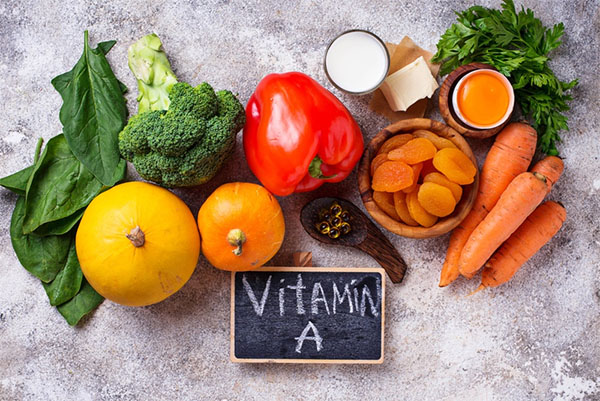
Vitamin A – For Cell Growth and Bone Remodeling
Calcium and protein dominate most conversations about getting taller. But vitamin A is genuinely one of the more underappreciated factors in the height growth equation — working quietly in the background to manage bone remodeling, the ongoing cycle of breaking down old bone and replacing it with new. It also keeps the epithelial cells inside your growth plates healthy and active, which matters more than most people realize.
The biologically active form is called retinoic acid, which your body converts from retinol or carotenoids found in foods like carrots and sweet potatoes. At the right levels, vitamin A regulates osteoblast and osteoclast activity — essentially coordinating the team responsible for growing bones longer while keeping them structurally solid. It’s a two-sided process, and when it’s working, it works smoothly.
Where things get complicated:
- Too little vitamin A and cell division slows — growth plates don’t get the signal they need.
- Too much, especially from high-dose retinol supplements, can actually trigger bone resorption — breaking bone down faster than it rebuilds.
- The range that tends to work well is around 600 to 900 mcg RAE/day for teens — and food sources typically hit that balance better than supplements do.
This is something that comes up regularly with height-conscious teens who go heavy on supplements, assuming more is always better. Bone morphogenetic proteins (BMPs), the molecules that actually initiate growth, need balance to function — not an overload of any single input. Vitamin A’s value lies in how well it maintains that balance, not in how much of it you take.
Vitamin C – Collagen Production and Growth Hormone Support
Most people associate vitamin C with staying healthy during flu season. But when it comes to height, its real job is structural — specifically, driving the production of collagen, which is the framework your bones depend on. Without dense, well-formed collagen, growth plates stay fragile, connective tissue tears more easily under physical strain, and joints lose the elasticity they need as your body lengthens during puberty.
Here’s what’s easy to miss: collagen isn’t just a skin-care ingredient — it’s fundamental to how bones elongate and hold their shape. Vitamin C works like a biological manufacturer, converting amino acids like proline into the flexible scaffolding that supports bone growth. Newer research shows that teens with adequate vitamin C had roughly 9% greater collagen density in growth zones than those with borderline deficiency. Over a few pivotal growing years, that gap adds up to something real.
Connective tissue, growth hormone, and what vitamin C actually supports
If you’ve been focusing only on calcium and protein, there’s a gap in the picture. Your body can’t fully utilize those materials if the connective framework holding everything together is compromised. Vitamin C supports tissue elasticity, cushions developing joints, and indirectly backs growth hormone (GH) activity through the adrenal glands. Without that hormonal support, the whole system slows.
Especially during peak growth windows — roughly ages 12 to 18 for most males, slightly earlier for females — you want every system synchronized: hormones, tissues, recovery, and immune defense. Some practical ways to stay ahead of it:
- Prioritize whole foods over supplements. A single red bell pepper contains roughly three times the vitamin C of an orange — and it absorbs better that way.
- Combine with protein. Collagen synthesis requires amino acids to assemble it. Think eggs, fish, or a clean collagen powder alongside your vitamin C source.
- Watch what depletes it. Chronic stress, secondhand smoke, and diets heavy in processed food all reduce vitamin C faster than most people expect.
B-Vitamins – Energy and Hormonal Balance for Growth
B vitamins rarely get credit for their role in height — but if you’re in your late teens or early twenties and still tracking growth, they matter more than most people assume. These vitamins run your metabolism, keep stress hormones regulated, and support the construction of new bone and muscle tissue. A shortfall in any of the key ones — thiamine (B1), riboflavin (B2), pyridoxine (B6), folate (B9), or cobalamin (B12) — and you’re leaving real growth potential unaccounted for.
Yes, B vitamins are commonly thought of as energy nutrients. That’s fair, but that framing undersells them. They also support hemoglobin production, stabilize your adrenal response under physical and emotional stress, and support nerve development — all of which feed directly into the hormonal systems that drive growth, including the one regulating HGH output.
Worth considering: If you’re dragging through afternoons, struggling to recover from workouts, or noticing mood swings you can’t quite explain, that pattern sometimes traces back to a quiet B-vitamin deficit — not just poor sleep or stress.
What each B-vitamin actually contributes
- Thiamine (B1) fuels cellular respiration — the foundational energy process. Without it, growth slows at the cellular level before you’d notice it from the outside.
- Riboflavin (B2) helps process iron, which keeps oxygen-rich blood flowing to muscles and growth zones.
- Pyridoxine (B6) keeps the nervous system and hormonal balance intact — especially important during puberty.
- Folate (B9) drives methylation, your body’s internal mechanism for copying and generating new cells.
- Cobalamin (B12) is essential for nerve sheath development and producing red blood cells — both of which feed mental function and bone recovery.
Let any one of those fall low and the whole growth system can stall. And it’s more common than the average person thinks — roughly 17% of U.S. teens are B12 deficient, according to the NIH.
Vitamin K – For Bone Density and Growth Regulation
If your current growth plan involves calcium and vitamin D but not vitamin K, there’s a real activation problem. Vitamin K doesn’t get much attention in height discussions, but it’s the nutrient that actually switches on the proteins your body needs to build and mineralize bone. Without it, proteins like osteocalcin and matrix Gla-protein stay inactive — and inactive proteins don’t lay down bone structure, no matter how much calcium is circulating.
Two forms are relevant here: phylloquinone (K1), found in leafy greens, and menaquinone (K2), which comes from fermented foods or supplements. K2 is the one worth paying closer attention to — it has a longer half-life and can reach deeper tissues, including bone and cartilage. Research suggests teens with sufficient K2 intake have up to 15% higher bone mineral density than those without it. That shows up structurally in bones like the femur and spine — not just in theory.
Why K2 is often the missing variable in growth plans
A lot of teens supplement aggressively with calcium, maybe add vitamin D3, and still don’t see the bone response they’re expecting. In many cases, the missing piece isn’t more calcium — it’s activation. Osteocalcin, the main protein that binds calcium into bone, sits dormant without K2. Think of it like having all the materials for construction on site, but no one directing where they go.
Here’s how that plays out in practice:
- Calcium ends up going somewhere — just not necessarily to bone.
- Without K2, there’s an increased risk of arterial calcification — calcium depositing in blood vessels instead of bone.
- Inactive proteins stall the process regardless of how clean the diet is.
K2 resolves that. It directs calcium to bone tissue and away from soft tissue — which is why it’s sometimes described as the “calcium traffic cop.” It’s one of those nutrients that makes everything else you’re already doing actually work.
- Related post: Can You Grow Taller By Hanging?
“`


