
Walk into almost any school gym, and you’ll hear the same claim: play basketball long enough, and you’ll grow taller. It sounds believable because so many basketball players tower over everyone else. Parents hope the sport will help their children reach a greater height. Teenagers wonder whether spending more time on the court could unlock a late growth spurt.
The science tells a different story.
Does playing basketball make you taller? Not directly. Your height is driven mostly by genetics, while nutrition, sleep, overall health, and physical activity help you reach your natural growth potential. Basketball supports healthy development during childhood and adolescence, but it does not make your bones grow longer than your genes allow.
Does Playing Basketball Make You Taller? The Short Answer
No. Playing basketball does not directly make you taller because the sport cannot lengthen your bones. However, regular basketball supports healthy growth during childhood and adolescence by promoting physical activity, strong bones, healthy body weight, and overall fitness. The key difference is that basketball helps your body grow well—it does not change your genetic height potential.
Key Takeaways
- Basketball does not increase your final adult height beyond your genetic potential.
- Genetics determine most of your adult height, while healthy habits help you reach that potential.
- Exercise, including basketball, supports bone health, muscle development, and overall growth during childhood and adolescence.
- Tall basketball players are common because taller athletes are more likely to succeed in the sport—not because basketball made them tall.
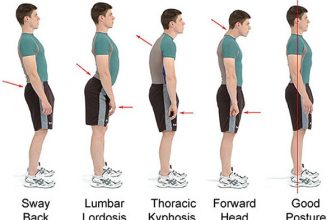
- Better posture from exercise and stretching can make you appear taller without increasing bone length.
What Actually Determines Your Height?
Height is less about finding the “right” sport and more about giving your body the conditions it needs during the years when it naturally grows. Understanding those conditions explains why basketball is often misunderstood.
Genetics Plays the Biggest Role
Genetics accounts for most of your adult height.
Your DNA influences how your growth plates develop, when puberty begins, how long your bones continue growing, and when skeletal development ends. Parents pass along thousands of genetic variations that affect these processes, making heredity the strongest predictor of adult height.
That doesn’t mean genetics work like a fixed number. Think of them as a range rather than a guarantee. A child may inherit the potential to become tall, but poor nutrition, chronic illness, or inadequate sleep during key growth years can prevent reaching that full potential.
The misconception is easy to spot. Many people ask whether basketball can override genetics. It can’t. No sport can instruct your long bones to grow beyond what your growth genes allow.
Nutrition, Sleep, and Overall Health
Healthy habits determine whether your body reaches its genetic potential.
Protein provides the building blocks for growing tissues. Calcium and vitamin D support bone development and maintenance. A balanced diet supplies the nutrients needed throughout adolescence, when skeletal development is most active.
Sleep matters just as much.
Growth hormone is released naturally during deep sleep, especially during childhood and puberty. Sleeping too little doesn’t automatically make someone shorter, but consistently poor sleep may interfere with the body’s normal recovery and growth processes.
Regular physical activity completes the picture. Basketball, swimming, soccer, and other sports improve cardiovascular fitness, strengthen muscles, and stimulate bone remodeling—the continuous process that keeps bones healthy and resilient.
That brings up an obvious question: if basketball doesn’t increase height, why are elite basketball players so tall?
Why Are So Many Basketball Players Tall?
The answer has less to do with basketball changing bodies and far more to do with who succeeds in the sport.
Selection Bias Explained
Basketball rewards height.
A taller player starts with practical advantages: greater vertical reach, easier rebounding, more effective shot blocking, and a larger defensive presence. Those advantages often become even more valuable at higher levels such as college basketball and professional leagues.
Coaches and scouts naturally recruit athletes whose physical traits fit the demands of the game. Over time, that creates a roster filled with tall players.
This is a classic example of selection bias.
Basketball doesn’t create unusually tall athletes. Instead, unusually tall athletes are more likely to advance in basketball.
A useful way to test this idea is to look at youth leagues. Children of many different heights play basketball. As competition becomes more selective, average player height increases because height becomes a competitive advantage.
Correlation vs. Causation
Correlation and causation are often confused, especially in conversations about sports and growth.
Here’s the difference:
- Correlation means two things happen together.
- Causation means one thing directly causes the other.
Basketball and height are correlated because many tall people play basketball.
Basketball causing greater height would require evidence that playing the sport lengthens bones or changes growth plate activity beyond normal development. Current scientific understanding does not support that conclusion.
That’s the overlooked insight.
People often focus on elite athletes while ignoring everyone who played basketball throughout childhood and reached an average adult height. Those players don’t attract attention, making the myth seem stronger than it actually is.
Once that distinction becomes clear, another common belief deserves the same treatment.
Can Jumping and Stretching Make You Taller?
Jumping and stretching are excellent for athletic performance, but neither changes your skeletal structure after normal growth patterns are set.
Benefits of Jumping Exercises
Jump training builds athletic ability—not extra height.
Plyometric exercises improve explosive power, coordination, balance, and lower-body strength. Repeated jumping also places healthy mechanical stress on bones, encouraging them to remain strong as they adapt to regular activity.
The trade-off is worth understanding.
Jumping helps create stronger muscles, tendons, and bones. It does not make the long bones in your legs physically longer.
During adolescence, healthy exercise supports normal development because growing bones respond well to appropriate physical activity. That’s different from increasing final adult height.
If improving athletic performance is the goal, jump training is an excellent choice. If increasing bone length is the goal, no exercise has been shown to do that in healthy individuals.
Does Stretching Increase Height?
Stretching can make you look taller, but not because your bones grow.
Poor posture rounds the shoulders, bends the upper back, and compresses your standing position. Improving flexibility, strengthening core muscles, and maintaining better spinal alignment can help you stand at your full natural height.
That’s why someone may appear one or two inches taller after improving posture—even though bone length hasn’t changed.
Stretching also improves mobility, reduces stiffness, and supports athletic performance. Those are meaningful benefits on their own, even without increasing height.
At this point, basketball looks less like a height-building tool and more like one part of a healthy lifestyle.
Best Sports That Support Healthy Growth
No sport has a unique ability to increase height. The best choice is the one you enjoy enough to practice consistently.
| Sport | Supports Bone Health | Cardiovascular Fitness | Muscle Development | Directly Increases Height? |
|---|---|---|---|---|
| Basketball | Yes | Yes | Yes | No |
| Swimming | Yes | Yes | Yes | No |
| Soccer | Yes | Yes | Yes | No |
| Volleyball | Yes | Yes | Yes | No |
| Track and field | Yes | Yes | Yes | No |
| Tennis | Yes | Yes | Yes | No |
The comparison reveals something many articles miss.
People often ask which sport is “best for height.” The better question is which sport helps someone stay active year after year. Consistency delivers more benefits than choosing one activity based on a myth.
Children who enjoy their sport are more likely to stay physically active, maintain a healthy weight, develop stronger bones, and build lifelong exercise habits.
Healthy habits, not magical exercises, create the strongest foundation for growth.
Tips to Reach Your Full Height Potential
Your genes set the ceiling, but daily habits help determine whether you get close to it.
- Eat a balanced diet that includes adequate protein, calcium, vitamin D, fruits, vegetables, and whole grains.
- Sleep enough every night, especially during childhood and adolescence when growth is most active.
- Stay physically active through sports, strength-building activities, and regular exercise.
- Maintain a healthy body weight to support normal development.
- Avoid smoking and excessive alcohol, particularly during the teenage years, because both can negatively affect overall health.
- Schedule regular checkups with a pediatrician if growth seems unusually slow or significantly different from expected patterns.
According to the CDC, regular physical activity supports healthy development in children and adolescents. USDA MyPlate also recommends balanced nutrition to support overall health, including bone development. The American Academy of Pediatrics encourages regular physical activity and healthy lifestyle habits throughout childhood and adolescence.
One exception deserves attention. If growth stops unexpectedly early, puberty begins unusually soon or late, or height changes differ significantly from family patterns, medical evaluation is appropriate. An endocrinologist can assess whether hormonal or medical conditions are affecting growth.
Frequently Asked Questions About Basketball and Height
Can adults grow taller by playing basketball?
No. Once growth plates have closed and skeletal maturity is reached, playing basketball cannot increase bone length. Adults may improve posture and appear slightly taller, but their actual height does not increase.
Does basketball increase growth hormone?
Exercise temporarily increases growth hormone levels, including during basketball. However, these short-term hormonal changes support normal body function and recovery rather than increasing adult height beyond genetic limits.
Is basketball better than swimming for height?
Neither sport increases height directly. Both promote physical fitness, healthy bones, muscle development, and overall well-being. The better choice is the one you enjoy and can continue consistently.
At what age do growth plates close?
Growth plates typically close after puberty, but the exact timing varies from person to person. Females generally reach skeletal maturity earlier than males. A healthcare professional can evaluate bone maturation if needed.
Can posture make you look taller?
Yes. Better posture improves spinal alignment and standing position, allowing you to appear taller without changing bone length. Stretching, core strengthening, and mobility exercises all contribute to better posture.
Final Takeaway: Does Playing Basketball Make You Taller?
Playing basketball does not directly make you taller, and it cannot change the genetic blueprint that determines your adult height. The myth survives because many successful basketball players are already tall, creating a misleading connection between the sport and height.
That does not make basketball any less valuable.
Basketball supports healthy growth during childhood and adolescence by encouraging regular exercise, stronger bones, improved cardiovascular fitness, better coordination, muscle development, and healthier posture. Those benefits can help your body reach its natural height potential when combined with good nutrition, quality sleep, and overall healthy living.
Instead of chasing height myths, focus on habits that improve long-term health. Whether your sport of choice is basketball, swimming, soccer, volleyball, or track and field, staying active consistently will do far more for your future than searching for a shortcut to becoming taller.