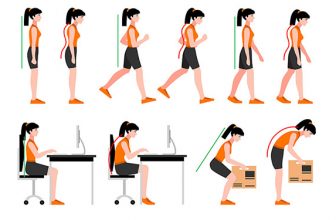

Can pull-ups make you taller? No. Pull-ups strengthen the muscles that support your spine and shoulders, and better posture can make you look taller, but they don’t lengthen a single bone in your body. Height comes down to growth plates, genetics, and the biology of puberty, not grip strength or how many reps you can grind out on a bar.
That answer disappoints a lot of people who’ve spent months hanging off a doorframe hoping for an extra inch. The good news: pull-ups are still worth doing. Just not for the reason half the internet claims.
Key Takeaways
- Pull-ups don’t lengthen bones or permanently increase adult height.
- Hanging can temporarily decompress the spine, but the effect reverses within hours.
- Better posture from pull-ups can make you look taller without changing your actual height.
- Genetics accounts for roughly 80% of height differences between people (MedlinePlus, NIH).
- Once growth plates close, no exercise, including pull-ups, will add height.
Can Pull-Ups Make You Taller?
Pull-ups build upper-body strength, improve grip, and can help correct a slouched posture. What they don’t do is add length to your bones. Bones grow longer only at growth plates, areas of cartilage near the ends of long bones that convert to solid bone once puberty finishes.
Why Do People Think Pull-Ups Increase Height?
The myth sticks around partly because of posture. Someone with rounded shoulders and a forward head tilt looks shorter than they actually are. Strengthen the back and shoulder muscles, straighten up, and that same person can look an inch taller without a single millimeter of bone growth. Fitness influencers sometimes show “before and after” photos that capture this posture shift and present it as literal height gain, which isn’t accurate.
How Pull-Ups and Hanging Affect Your Spine
The spine compresses a little under normal daily load, standing, sitting, carrying a backpack, and then decompresses while you sleep. This is why most people measure slightly taller first thing in the morning than they do by evening. Hanging from a bar mimics the unloading that normally happens at night, giving the discs between your vertebrae a brief break from compression.
Studies modeling the spine have found that disc height and spinal flexibility genuinely shift between morning and evening because of this loading cycle (Zander et al., Computer Methods in Biomechanics and Biomedical Engineering, 2010). That’s a real, measurable phenomenon. It’s also temporary. The discs rehydrate at night and compress again the next day, on a loop that has nothing to do with permanent growth.
Can Spinal Decompression Make You Permanently Taller?
No. A dead hang or similar decompression exercise can add a fraction of an inch temporarily, the same way you’re taller in the morning than at night. Once you stand back up and go about your day, the discs recompress and that height disappears. No study has shown hanging produces a lasting increase once the exercise session ends.
Can Pull-Ups Improve Your Posture and Make You Look Taller?
Yes, pull-ups can improve posture, and better posture reliably makes you look taller. The exercise works the latissimus dorsi, trapezius, rhomboids, and core muscles that pull your shoulders back and keep your spine from rounding forward. Cleveland Clinic sports medicine specialists note that posture work won’t add actual height, but it does change how tall a person appears by correcting the slouch that was quietly costing them an inch or two (Cleveland Clinic).
Someone with chronically tight chest muscles and a weak upper back often stands with shoulders rolled forward. Pull-ups counteract that pattern directly, assuming they’re done with full range of motion and controlled form rather than momentum.
What Actually Determines How Tall You Grow?
Genetics does most of the heavy lifting here. Scientists estimate that around 80% of the height difference between individuals comes down to inherited DNA, with the rest shaped by nutrition, health, and other environmental factors during childhood (MedlinePlus, NIH). That 80% figure describes population-level variation, not a guarantee for any one person, since two siblings with the same parents can still end up different heights.
Growth plates are the other half of the story. These areas of cartilage near the ends of long bones are where actual lengthening happens, and once they fuse into solid bone, height growth stops for good, regardless of exercise, stretching, or supplements. Nutrition matters most while those plates are still open: adequate protein, calcium, and vitamin D during childhood and the teen years support the growth that genetics made possible in the first place. Sleep plays a role too, since growth hormone is released in pulses during deep sleep, making consistent, sufficient rest part of the equation rather than an afterthought.
Does Age Change the Answer?
Teenagers going through puberty are still growing because their growth plates remain open, not because of any particular exercise routine. Pull-ups during this window won’t speed up or add to that growth, though they’re a perfectly reasonable part of a teen’s fitness routine. For people past puberty, the growth plates have typically fused, and no amount of hanging, stretching, or training will reopen them.
“Can you grow taller after 18” isn’t really about a birthday. It’s about whether your growth plates have closed, and that varies by person, confirmed through an X-ray rather than a calendar (American Academy of Pediatrics, HealthyChildren.org, 2016).
Pull-Ups vs. Hanging vs. Posture: What Each One Actually Does
| Activity | What people hope for | What actually happens |
|---|---|---|
| Pull-ups | Taller bones, more height | Stronger back, shoulders, and grip; improved posture |
| Dead hangs | Permanent height gain | Brief spinal decompression that reverses within hours |
| Stretching | Longer spine | Looser muscles, straighter stance, no change in bone length |
| Good posture | Looking shorter fixed for good | Immediate visual height gain of up to an inch or two, no change in measured height |
Worth noticing: three of these four rows involve zero actual change in skeletal height. The one real intervention here is posture, and even that is cosmetic rather than skeletal.
How to Do Pull-Ups Safely
Pull-ups are worth doing for strength and posture even without any height payoff. A few basics keep the exercise useful instead of risky:
- Grip the bar slightly wider than shoulder width with an overhand grip.
- Engage the shoulder blades before pulling, rather than yanking with the arms alone.
- Lower with control instead of dropping, since the eccentric phase builds strength too.
- Use an assisted pull-up machine or resistance band if a full rep isn’t achievable yet.
- Stop if you feel sharp shoulder pain, which usually signals a form problem rather than normal fatigue.
Common Mistakes to Avoid
Swinging the body for momentum, called kipping, reduces the strength benefit and raises injury risk for beginners. Jerking the neck forward to get the chin over the bar strains the cervical spine for no real benefit. Training to failure every single day also tends to backfire, since the back and shoulder muscles need recovery time between sessions.
What Else Can Help You Stand Taller
Posture-focused exercises like wall angels, chin tucks, and rows complement pull-ups by targeting the same muscle groups from different angles. None of them lengthen bone, but together they build the kind of upright, confident stance that reads as height even on someone of average stature. Basketball, swimming, and stretching carry the same story: real fitness benefits, no actual bone growth, and a persistent myth that refuses to die because tall people happen to play a lot of basketball.
Frequently Asked Questions
How many pull-ups should I do to grow taller?
No number of pull-ups increases height, so there’s no magic rep count to chase for that goal. Base your reps on strength and technique instead, building up gradually as your back and shoulders adapt.
Do pull-ups stunt growth?
No. Properly supervised, age-appropriate resistance training, including pull-ups, is not considered a cause of stunted growth in teens or adults. Risk comes from poor form or injury, not from the exercise itself.
Can hanging make you two inches taller?
No. Hanging can temporarily restore the height you lose to normal daily spinal compression, but that’s typically a fraction of an inch and it isn’t permanent. No study supports two inches of lasting growth from hanging alone.
Can pull-ups make you taller after age 18?
Not if your growth plates have already closed, which is the case for most adults by their late teens or early twenties. Pull-ups after that point build strength and posture, not additional height.
Do pull-ups help during puberty?
Teenagers can keep growing through puberty because their growth plates are still open, but that growth happens regardless of whether they do pull-ups. The exercise supports general fitness during this stage without changing the growth trajectory itself.
When should you see a doctor about height growth?
Talk to a pediatrician if a child’s growth has slowed noticeably, fallen off their usual percentile curve, or puberty seems unusually early or late. A pediatrician can check growth charts and, if needed, order a bone age X-ray to see how much growing is left (American Academy of Pediatrics, HealthyChildren.org, 2016).
Final Thoughts
Pull-ups won’t add height, and no amount of hanging changes that fact. The real nuance is that posture and strength genuinely affect how tall someone looks, even when their measured height stays exactly the same. If actual growth is the goal, the levers that matter are genetics, open growth plates, nutrition, and sleep, not a pull-up bar.