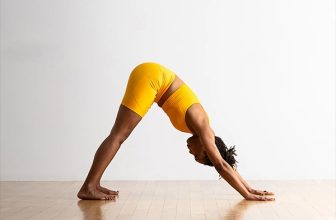
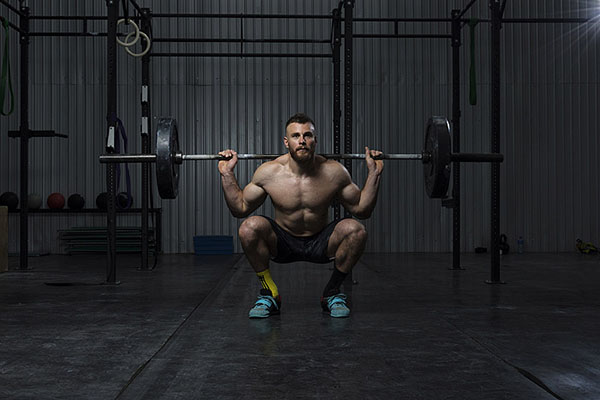
Let’s be honest—you’ve probably heard someone say the gym will make you shorter. Maybe it was your parents warning you when you first started lifting in high school, or some random guy at the gym muttering about “compression.” And honestly, I used to believe it, too. The fear of “stunted growth” from lifting weights is one of those gym myths that just won’t die.
But here’s the deal: it’s not true—not in any meaningful or permanent way.
You’re not going to lose inches from lifting weights correctly. In fact, if anything, strength training can help you stand taller, move better, and support the very systems that make you grow during your youth. The science is clear—but I’ll get into that. First, let’s unpack where this myth even came from.
Key Takeaways (Read These First)
- Weightlifting does not make you shorter. That’s the bottom line.
- Temporary spinal compression from heavy lifting can reduce your height by 1–2 cm—but this comes back within hours.
- Teens and kids are only at risk if lifting is done with poor form or inappropriate programming.
- Proper technique + rest = zero risk to your height.
- Lifting improves posture and bone density, which can actually enhance your height appearance.
Where the Myth Came From
So where did this myth start? Old-school bodybuilding and early gym culture, that’s where.
In the early 20th century, American fitness magazines loved dramatizing muscle over function. You’d see bulky guys with short torsos, veins popping, and stiff postures. The visual made people associate muscle mass with a shorter stature—never mind that it had nothing to do with actual height.
Then came the 1950s–70s, when pediatricians and parents started warning kids against “lifting too early.” Some youth sports programs even banned resistance training over fears it would damage growth plates. You had entire gym classes avoiding weights just in case. (I remember mine did.)
These outdated fears stuck around. And even now, they get recycled on TikTok and Reddit, usually without any scientific basis.
How Height Works: Growth Plates, Genetics, and Your Blueprint
Here’s what really controls your height: genetics and growth plates. That’s it. Lifting weights? It plays a very minor side role.
Your long bones grow from areas of cartilage called epiphyseal plates, usually active until your late teens or early twenties. These plates ossify (turn into bone) as you reach full maturity. If they’re damaged before they close, then yeah, growth could potentially be affected—but that’s rare, and it typically requires serious trauma, like a fracture.
So, unless you’re a 12-year-old lifting double your bodyweight with bad form, you’re fine.
Your genetics set the blueprint. Height is largely inherited, with environmental and hormonal factors playing supportive roles. Think: nutrition, sleep, endocrine health. I’ve seen teenage lifters grow taller while strength training. Why? Because they’re fueling their bodies right and moving consistently.
Does Weightlifting Compress Your Spine?
Yes… but only temporarily. This is where things get nuanced.
When you lift heavy—especially squats, deadlifts, overhead pressing—you apply load to your spine. This increases intradiscal pressure, which can slightly compress your intervertebral discs. You may lose 0.5 to 1 inch in height over the course of a heavy lifting day.
But—and this is key—your spine rehydrates overnight. I’ve measured myself before and after long training days, and I’ve seen that little drop. But by morning? I’m back to full height. It’s like a balloon deflating slightly and puffing back up.
Unless you’re living under a barbell 24/7, this is nothing to worry about.
What the Science Actually Says
You don’t have to take my word for it—the research has your back.
- A 2001 study published in the British Journal of Sports Medicine found no evidence that resistance training stunted growth in adolescents.
- The American Academy of Pediatrics officially supports strength training for kids and teens—with supervision.
- According to the NIH, lifting improves bone density and has no negative effect on height growth when done correctly.
These aren’t fringe studies either—we’re talking peer-reviewed, longitudinal data. The science has evolved. Unfortunately, many gym conversations haven’t.
What About Teens? Can Lifting Stunt Their Growth?
If you’re a teen—or a parent of one—this is a big concern. And I get it.
But again: lifting does not stunt growth in teens… if it’s done right.
Teenagers can and should lift. Programs like Starting Strength and guidelines from the NSCA emphasize form, age-appropriate loads, and supervision. I’ve worked with teen athletes who made incredible strength gains with zero impact on their height—in fact, they often looked taller thanks to better posture and muscle balance.
Avoid maxing out, focus on form, and don’t skip recovery. That’s the golden rule.
Posture and Bone Density: Lifting’s Secret Height Advantage
Now, here’s where lifting can actually help you appear taller.
- Improved posture: Stronger muscles—especially in your back, core, and hips—help keep your spine aligned.
- Better bone density: Weight-bearing exercise triggers osteoblast activity, increasing bone mineral density over time.
I’ve seen people go from hunched and sluggish to standing tall and confident—not because they grew, but because they aligned. Lifting doesn’t just change how you look; it changes how you carry yourself.
Temporary vs. Permanent Height Changes
Let’s clear this up: weightlifting may cause a small, temporary height drop—nothing more.
Due to gravity and spinal compression, you’re actually tallest when you wake up. By night, most of us lose up to 1.5 cm from daily activity. Lifting just accelerates that process a bit.
But as long as you sleep and rehydrate, your discs recover. I’ve done morning vs. evening height checks (nerdy, I know), and yep—there’s a difference. But not one that sticks.
How to Lift Safely (and Protect Your Posture)
Want to get all the benefits without the myths? Do this:
Step-by-Step Lifting Safety Checklist
- Warm up dynamically
(Jumping jacks, lunges, light mobility work—just get warm.) - Use proper form
(Film yourself if needed—don’t trust the mirror.) - Start with manageable weights
(Focus on movement, not ego.) - Prioritize rest and sleep
(This is when your discs and growth plates recover.) - Follow a structured program
(I like NSCA-based routines, especially for youth.) - Train full-body, not just chest and arms
(Balance is key for posture and joint health.)
Also—don’t forget to breathe. I see so many lifters mess up their form from bracing the wrong way. Learn to brace properly.
Myths vs Facts: Lifting and Height
Here’s a quick table I made for clients who ask me the same thing:
| Myth | Fact |
|---|---|
| Lifting stunts growth in teens | Only if done improperly with poor form |
| You’ll lose height if you lift | Only temporarily—spine rebounds overnight |
| Kids shouldn’t lift weights | Supervised lifting is safe and beneficial |
| Lifting damages growth plates | Only in cases of trauma or overuse injury |
| You’ll get shorter with age if you lift | Actually, lifting protects height via bone and muscle health |
The Real Benefits of Lifting (Beyond the Height Hype)
Even if lifting did make you shorter (which it doesn’t), I’d still recommend it.
Why?
- It boosts metabolism—so you burn more even at rest
- It builds self-confidence (seriously, you’ll feel like a beast)
- It improves mobility, especially as you age
- It supports mental health through endorphin release
- It gives you a sense of control over your body
Also—products like NuBest Tall support your growth process through nutritional supplementation, especially during adolescence. If you’re lifting and fueling right (with products that support growth, like NuBest Tall), you’re giving your body the best possible environment to reach its full height potential.
Final Thoughts (From Me to You)
You’re not going to get shorter from lifting. You’re just not.
If you train smart, rest well, and support your body with the right nutrition and recovery tools, you’ll be stronger, more upright, and more confident. I’ve lived it. I’ve seen it in others. And honestly? The only thing lifting ever shrunk for me was self-doubt.
So go lift. And stand tall doing it.
Let the myth die.