
Can you grow taller after 24? For nearly everyone, no. By this age, the growth plates in your long bones have fused, which means the bones themselves can no longer lengthen. What can still change is how tall you stand, through posture, spinal alignment, and a few other factors that have nothing to do with actual bone growth.
Key Takeaways
- Most people cannot naturally grow taller after 24 because their growth plates have closed.
- Genetics, hormones, and nutrition shape height mainly during childhood and adolescence, not adulthood.
- Stretching, yoga, and posture work can help you stand straighter, but none of it lengthens adult bones.
- Sleep, exercise, and a balanced diet support bone health and density, not additional skeletal height.
- Limb-lengthening surgery can permanently increase height, but it comes with real costs, risks, and a long recovery.
- A doctor can evaluate unusual height changes or suspected hormonal issues, something no supplement or stretch routine can do.
1. Can You Grow Taller After 24?
For the vast majority of adults, the answer is no. Growth plates, the soft cartilage sections near the ends of long bones, typically finish hardening into solid bone somewhere in the late teens to early twenties. Once that happens, longitudinal bone growth stops for good.
There are exceptions. Some people have delayed skeletal maturation due to genetics or certain medical conditions, and in rare cases growth plates stay open a bit longer than average. Height can also shift slightly throughout the day, with people measuring taller in the morning than at night due to minor spinal compression from gravity. That’s not growth though, just normal fluid shift in the spinal discs.
Is It Possible to Grow Taller Naturally at 24?
Realistically, no. Puberty is driven by a surge of growth hormone and sex hormones that trigger rapid bone elongation at the growth plates. Once those plates fuse, there’s no biological mechanism, no supplement, exercise, or stretch, that can reopen them. Anything claiming otherwise is selling a feeling, not a result.
2. Why Do Most People Stop Growing Before Age 24?
Height growth follows a fairly predictable arc tied to puberty. Growth hormone and sex hormones like estrogen and testosterone drive a growth spurt, then gradually signal the growth plates to close. Females tend to reach final height earlier, often by 14 to 16, while males typically finish a bit later, around 16 to 18. Age alone doesn’t confirm plate status though; two 22 year olds can be at very different points in skeletal maturity.
At What Age Do Growth Plates Close?
There’s no single universal number here. Most people see their growth plates fuse somewhere between 16 and 20, though different bones close at different times, and some individuals extend into their early twenties. The only reliable way to check is a bone-age X-ray read by a clinician, not a birthday on the calendar.
3. What Determines Your Height After Age 24?
By adulthood, height is mostly locked in by genetics, with research suggesting it accounts for a large share of the variation between people. Childhood nutrition, overall health, and hormone levels during the growth years all played a role in getting you to that final number. Genetics and height are closely linked, though environment during development still matters quite a bit.
What’s left to influence at this point is posture and measurement, not skeletal length.
Can Growth Hormone Increase Height After 24?
Not for someone with closed growth plates. Growth hormone can still push soft tissue growth, which is part of why excess GH in adults causes a condition called acromegaly, marked by enlarged hands, feet, and facial features rather than added height. Medical growth hormone treatment has a legitimate place for diagnosed deficiencies, but using it off-label to chase height after bone maturity is both ineffective and risky.
4. Can Stretching and Exercise Make You Taller After 24?
No, not in terms of actual bone length. What exercise can do is improve posture, flexibility, and spinal alignment, which affects how tall you appear and measure when standing. A tight, compressed spine can shave a surprising amount off someone’s standing height, and loosening that up through movement brings some of it back.
Do Hanging, Yoga, and Swimming Increase Height?
Hanging exercises, yoga, and swimming are often marketed as height boosters, and there’s a kernel of truth buried in the claim. These activities can decompress the spine temporarily and improve posture and mobility over time. None of it changes bone length though, so any height gain from these routines is temporary and modest at best.
5. Can Better Posture Help You Look Taller?
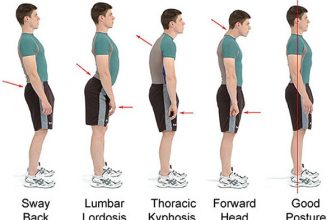
Yes, often more than people expect. Slouching, forward-head posture, and a tilted pelvis can compress the spine and round the shoulders, which visually and physically shortens standing height. Correcting these patterns with targeted exercises can reveal an inch or so that was there the whole time, just hidden by poor alignment.
Best Posture Exercises for Adults Over 24
A few exercises tend to show up again and again in posture-correction routines: wall angels for shoulder and upper-back mobility, chin tucks for forward-head posture, planks for core and spinal support, thoracic extensions to counter a rounded upper back, and hip flexor stretches to address pelvic tilt. Consistency over weeks, not a single session, is what tends to produce a noticeable difference.
6. Can Diet and Supplements Increase Height After 24?
No, not once growth plates have closed. Proper nutrition, especially calcium, vitamin D, and protein, mattered enormously during the growth years and still matters now for bone density and overall skeletal health. Vitamin D and calcium support strong bones, but strong bones and longer bones are two very different things.
Do Height Growth Pills or Supplements Work?
Most over-the-counter height supplements rely on marketing language rather than clinical evidence. A product can correct a genuine nutrient deficiency, which supports general bone and tissue health, but no pill reopens a fused growth plate. Anyone considering a supplement for height specifically is better off talking to a doctor about what’s actually being targeted.
7. Does Sleep Help You Grow Taller After 24?
Not in terms of adding height, though sleep still plays a real role in bone and tissue maintenance. Growth hormone is released in pulses during deep sleep, and during adolescence that pattern drives actual bone elongation. In adulthood, that same hormone release shifts toward tissue repair and recovery rather than growth. The CDC recommends at least seven hours of sleep per night for most adults, a target worth hitting for general health, just not for height.
8. Can You Grow Taller After 24 With Limb-Lengthening Surgery?
Surgery is the one method on this list that actually works. Distraction osteogenesis involves surgically cutting a bone, then gradually separating the two segments with an external frame or internal rod so new bone fills the gap over weeks to months. It’s a slow, deliberate process, not an overnight fix, and it typically adds a few centimeters per bone segment.
Recovery involves months of physical therapy, and complications like infection, nerve issues, or uneven healing are real possibilities. This isn’t a decision to make casually.
How Much Does Height Increase Surgery Cost in the USA?
Costs vary widely depending on the clinic, the technique, and how many centimeters are targeted, but totals commonly land anywhere from the tens of thousands into six figures once surgical fees, hospital stays, physical therapy, and follow-up care are added together. Insurance typically doesn’t cover procedures done purely for cosmetic height increase, which pushes most of that cost out of pocket.
9. How Can You Tell if Your Growth Plates Are Still Open at 24?
Guessing based on age or family history isn’t reliable. A left-hand X-ray read against standardized bone-age references is the actual way clinicians check whether growth plates have fused. For a healthy adult who’s just curious, this kind of imaging usually isn’t necessary. It becomes relevant when there’s a suspected hormonal condition or unusually delayed puberty, in which case an endocrinologist is the right person to consult.
10. What Are the Myths About Growing Taller After 24?
A few claims keep circulating despite having no real support. Hanging from a bar doesn’t permanently lengthen bones, even though it can temporarily decompress the spine. Special diets and hormone-boosting supplements don’t reopen fused growth plates. And those dramatic before-and-after height photos often reflect posture correction or measurement timing (morning versus evening) rather than genuine bone growth.
11. What Can You Do to Maximize Your Height and Appearance After 24?
The realistic playbook here is about posture, bone health, and presentation rather than chasing extra inches. A consistent strength and mobility routine, sitting and standing with better alignment, adequate sleep and nutrition, and well-fitted clothing and footwear all contribute to looking and feeling taller without any biological growth involved.
| Method | What it actually changes | Realistic expectation |
|---|---|---|
| Posture correction | Spinal alignment, standing height | Can reveal up to roughly an inch hidden by slouching |
| Stretching, yoga, hanging | Flexibility, temporary spinal decompression | Minor, temporary height variation |
| Diet and supplements | Bone density, nutrient deficiencies | No effect on bone length |
| Sleep | Hormone release, tissue repair | Supports health, not height |
| Limb-lengthening surgery | Actual bone length | Permanent gain, with significant cost and recovery |
Posture correction is the one option on this table that’s both free and genuinely effective, which makes it the obvious starting point before considering anything more involved.
12. Frequently Asked Questions About Growing Taller After 24
Can Men Grow Taller After 24?
Most men reach their final adult height by 18 to 20, as growth plates typically fuse by then. A small number with delayed puberty might see minor growth into the early twenties, but height gains after 24 specifically are not expected for men with typical development.
Can Women Grow Taller After 24?
Women generally reach adult height earlier than men, often by 14 to 16, due to earlier puberty onset. By 24, growth plates have almost always closed completely, so natural height increase at this age isn’t realistic for women either.
Can You Grow 2 Inches Taller After 24?
Not through natural means. A 2-inch permanent increase is only achievable through limb-lengthening surgery, which lengthens bone directly. Posture correction might recover an inch of standing height that was lost to slouching, but that’s revealing existing height, not creating new height.
Can You Grow Taller at 25 or 30?
The biology doesn’t really change much between 24, 25, or 30. Once growth plates have fused, which for most people happens well before any of these ages, the same limitations apply across the board. Posture, bone health maintenance, and surgical options remain the only levers available at any point in adulthood.
Final Thoughts
Growth plate closure, not age itself, is what ends natural height growth, and for most adults that closure has already happened well before 24. Posture work can recover some standing height, while diet, sleep, and exercise support bone health rather than bone length. Anyone considering surgical lengthening or concerned about unusual height changes should bring that conversation to a doctor rather than a supplement label.