
Walk into almost any tennis academy in the United States and one pattern jumps out fast: a lot of the older players look tall. Really tall sometimes. Between towering serves, long wingspans, and athletic movement, it’s easy to connect tennis with height growth.
That’s why so many parents and teenagers ask the same thing: does tennis increase height?
The short answer is straightforward. Tennis does not directly make you taller beyond your genetic potential. But the full story is more interesting than that.
Tennis supports several factors linked to healthy growth during childhood and adolescence. It encourages movement, strengthens bones, improves posture, and often pushes kids into healthier daily routines. Those things matter. A lot, actually. Especially in the U.S., where screen time, poor sleep, and childhood obesity increasingly affect physical development.
Now, here’s the part that often gets misunderstood online. A sport can support growth without literally stretching bones longer. That distinction changes the conversation completely.
This article breaks down what actually determines height, how tennis fits into the picture, and what science says about growing athletes in America today.
How Height Actually Works in the Human Body
Height is mostly controlled by genetics. In practice, researchers estimate that genetics account for roughly 60–80% of adult height.
That means your DNA sets the framework. Environmental factors influence how fully that framework gets expressed.
The body grows through structures called growth plates, also known as epiphyseal plates. These soft cartilage zones sit near the ends of long bones like the femur and tibia. During childhood and adolescence, growth hormone signals these plates to produce new bone tissue.
Eventually, the plates close.
Once that happens, permanent height growth stops.
For most girls in the United States, growth plates close around ages 14–16. For boys, closure commonly happens between ages 16–18, though late bloomers exist. Genetics and puberty timing both influence the schedule.
Key Factors That Affect Height
| Factor | Role in Growth | Real-World Impact |
|---|---|---|
| Genetics | Determines growth potential | Largest influence |
| Growth hormone | Stimulates bone growth | Released by pituitary gland |
| Nutrition | Provides building materials | Protein and minerals matter |
| Sleep | Supports hormone release | Deep sleep is critical |
| Physical activity | Supports bone and muscle health | Indirect effect on growth |
| Overall health | Prevents developmental disruption | Chronic illness can reduce growth |
The pituitary gland plays a major role here. It releases human growth hormone (GH), especially during deep sleep and physical recovery periods.
And honestly, this is where many conversations about height get messy online. Social media tends to oversimplify growth into one trick or one sport. Biology doesn’t work that way. Growth is more like a layered construction project than a quick hack.
Does Exercise Influence Height During Growth Years?
Exercise helps children grow well. That statement is supported by pediatric research.
But exercise does not override genetics.
The Centers for Disease Control and Prevention (CDC) recommends at least 60 minutes of daily physical activity for children and teens. Regular movement supports cardiovascular health, bone density, muscle development, and hormone regulation.
Tennis fits that recommendation extremely well.
A typical tennis session combines sprinting, rotation, agility work, explosive movement, and coordination drills. Unlike some sports that isolate movement patterns, tennis trains the body in multiple directions at once.
That matters for growing athletes.
What Physical Activity Actually Does
Physical activity can:
- Stimulate temporary growth hormone release
- Improve bone mineral density
- Reduce obesity risk
- Improve insulin sensitivity
- Support healthier sleep patterns
- Enhance posture and muscular balance
Childhood obesity has become a major issue across the U.S. According to CDC data, nearly 1 in 5 American children and adolescents has obesity. Excess body fat can affect hormonal balance and physical development.
In that sense, tennis helps indirectly. Active kids often maintain healthier body composition, better cardiovascular fitness, and stronger skeletal systems.
Still, no sport can force bones to grow longer after genetic limits are reached.
That’s the key point.
Why Tennis Is Associated With Taller Athletes
This is where selection bias enters the conversation.
Professional tennis players often look tall because height creates competitive advantages in tennis.
John Isner stands around 6’10”. Venus Williams is approximately 6’1″. Taylor Fritz, Daniil Medvedev, Alexander Zverev — the modern game is full of tall athletes.
But tennis did not create their height.
Height helped those athletes succeed.
Longer limbs generate stronger serves. Taller players hit from steeper angles. Greater reach improves court coverage. At elite levels, even small physical advantages matter.
Tennis and Height: Correlation vs. Causation
| Observation | What People Assume | What Actually Happens |
|---|---|---|
| Many pros are tall | Tennis caused growth | Tall athletes gain advantages |
| Young tennis players look athletic | Tennis increased height | Training improved posture and fitness |
| Jumping sports involve stretching | Bones lengthen permanently | Bones strengthen, not lengthen |
A lot of American parents notice tall athletes on television and connect the sport to height growth automatically. That reaction makes sense. The visual pattern is strong.
But in sports science, correlation doesn’t equal causation.
Basketball has the same misconception attached to it. Volleyball too.
Tall athletes often rise to the top because the sport rewards height. The sport itself isn’t manufacturing extra inches.
Can Tennis Stimulate Growth Hormone?
Yes, temporarily.
High-intensity exercise increases short-term growth hormone production. Tennis includes explosive movement patterns that trigger this response:
- Sprinting
- Jumping
- Rotational force
- Overhead serving
- Fast directional changes
These movements place healthy stress on bones and muscles. Over time, that stress encourages stronger skeletal adaptation.
This process improves bone density, especially during adolescence when the skeleton is still developing.
Now, here’s the important distinction. Increased growth hormone during exercise does not automatically translate into increased adult height.
That’s where internet advice often goes sideways.
What Research Actually Supports
Scientific evidence supports these conclusions:
- Exercise improves bone health
- Exercise supports normal development
- Exercise may optimize genetic growth potential
- Exercise does not extend height beyond genetic limits
No clinical trial has proven that tennis increases final adult height independently.
For growing teens, though, optimized growth potential still matters. A teenager with poor sleep, poor nutrition, and inactivity might not fully reach predicted height. Active lifestyles help prevent that problem.
So tennis becomes part of the support system rather than the magic solution.
The Role of Nutrition in Height for U.S. Teens
Nutrition affects height more than most sports do.
That sounds less exciting than “secret stretching routine” videos online, but it’s true.
Bones need raw materials to grow. Without adequate nutrients, growth can slow down even when genetics are favorable.
Nutrients Linked to Healthy Growth
| Nutrient | Why It Matters | Common U.S. Sources |
|---|---|---|
| Protein | Builds tissue and muscle | Chicken, eggs, Greek yogurt |
| Calcium | Strengthens bones | Milk, cheese, fortified products |
| Vitamin D | Helps calcium absorption | Sunlight, fortified cereals |
| Zinc | Supports growth and immunity | Beef, nuts, legumes |
| Magnesium | Bone structure support | Spinach, almonds |
Vitamin D deficiency remains surprisingly common in parts of the United States, especially northern states during winter months.
That becomes a real issue for indoor athletes and teenagers spending more time on screens than outside.
Fortified dairy products such as Horizon Organic milk products help many American families increase calcium and vitamin D intake. But nutrition patterns matter more than one brand or one supplement.
In practice, consistent eating habits beat trendy “height diets” almost every time.
And honestly, teenage nutrition in the U.S. gets chaotic fast. Energy drinks replace breakfast. Fast food replaces balanced meals. Sleep schedules drift. Training quality suffers afterward.
Growth doesn’t happen in isolation from lifestyle.
Sleep and Growth: The Overlooked Factor
Sleep might be the most underrated growth factor in modern American teen life.
Growth hormone is released primarily during deep sleep cycles. Without enough quality sleep, the body loses one of its most important recovery and development windows.
The National Sleep Foundation recommends 8–10 hours of sleep for teenagers.
Most teens don’t get close to that consistently.
Common Sleep Disruptors for U.S. Teens
- Late-night screen time
- Social media use
- Heavy homework loads
- Early school start times
- Competitive sports schedules
- Stress and anxiety
A teenager can train hard in tennis every afternoon and still undermine recovery through chronic sleep deprivation.
That’s the frustrating part for many families. The visible effort happens on the court, but growth support often depends more on invisible habits at home.
A tired body struggles to recover efficiently. Hormonal regulation becomes less consistent. Athletic performance usually drops too.
And over time, posture changes. Energy drops. Motivation slips.
So while tennis supports health, sleep is where much of the actual biological repair happens.
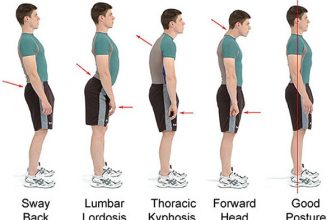
Does Tennis Improve Posture and Make You Appear Taller?
Yes. Absolutely.
This is probably the most noticeable “height effect” tennis creates.
Tennis strengthens several muscle groups linked to posture:
- Core muscles
- Upper back
- Shoulders
- Glutes
- Stabilizing muscles around the spine
Better posture changes appearance immediately.
A teenager who slouches heavily can lose 1–2 inches of visible height just through spinal compression and rounded shoulders. After months of athletic training, posture often improves naturally.
That visual difference can be dramatic.
Posture Comparison
| Poor Posture | Athletic Posture |
|---|---|
| Rounded shoulders | Open chest position |
| Forward head tilt | Neutral spine alignment |
| Compressed appearance | Taller visual profile |
| Weak core support | Stronger stabilization |
Tennis also develops body awareness. Players constantly adjust balance, rotation, and movement patterns. Over time, coordination improves alongside posture.
This is one area where many parents notice changes quickly. Kids often stand differently after months of consistent sports participation.
Not taller biologically. Taller visually.
There’s a meaningful difference there.
What Age Should Kids Start Tennis for Growth Benefits?
In the United States, many children begin tennis between ages 5–10 through programs like USTA Junior Team Tennis.
Starting earlier helps with:
- Coordination
- Agility
- Motor skill development
- Bone strength
- Long-term fitness habits
But earlier participation does not guarantee additional height.
That misconception still circulates online constantly.
Early Sports Participation: What Actually Happens
| Starting Early Helps With | Starting Early Does NOT Guarantee |
|---|---|
| Coordination | Extra inches in adulthood |
| Fitness habits | Delayed growth plate closure |
| Bone strength | Taller genetics |
| Athletic confidence | Permanent bone extension |
Children benefit from movement variety during development. Tennis offers that variety well because it combines endurance, speed, hand-eye coordination, and explosive movement.
And unlike highly repetitive sports, tennis usually keeps kids mentally engaged too. Practices change constantly. Points unfold differently every time.
That unpredictability helps many young athletes stay active longer.
Can Stretching or Jumping Increase Height?
This question dominates search engines every year.
Stretching does not permanently increase height after growth plates close.
Neither does hanging from bars. Neither do inversion boots. Neither do “secret spine decompression hacks” circulating on TikTok.
Stretching can improve flexibility and posture. That can create a slightly taller appearance temporarily.
But bones do not lengthen from stretching.
Common Height Myths vs. Reality
| Myth | Reality |
|---|---|
| Hanging increases bone length | No scientific evidence supports this |
| Jumping sports force growth | Jumping strengthens bones instead |
| Stretching reopens growth plates | Growth plates close permanently |
| Tennis players grow taller from serving | Height advantages help tennis success |
Basketball, volleyball, and tennis all involve jumping mechanics. Those movements improve athleticism and bone strength during development years.
But final adult height still comes back mainly to genetics, nutrition, sleep, and overall health.
That answer disappoints people sometimes because it lacks the magic shortcut angle. Still, realistic information helps families make better decisions long term.
Final Answer: Does Tennis Increase Height?
No, tennis does not directly increase height.
But tennis absolutely supports healthy growth during childhood and adolescence.
It helps by:
- Improving bone density
- Encouraging physical activity
- Supporting healthier body composition
- Strengthening posture
- Promoting disciplined routines
- Reducing sedentary behavior
For American families, tennis remains one of the strongest lifetime sports available. It develops coordination, cardiovascular fitness, focus, and resilience.
Height, though, remains largely genetic.
In real life, the teenagers who maximize growth potential usually combine several healthy habits at once. Balanced nutrition. Consistent sleep. Regular movement. Pediatric checkups. Stable recovery routines.
Tennis fits beautifully into that framework.
Just not as a miracle height booster.
And honestly, that perspective tends to help families focus on what actually matters over time: strong health, confidence, athletic ability, and sustainable habits that last long after growth plates close.