

Working out does not permanently increase your height once your growth plates have closed. During childhood and the teen years, regular exercise supports strong bones, healthy posture, and normal development, which is part of reaching your full genetic height potential. But no workout, no matter how intense, adds length to a bone that has already stopped growing.
A lot of the confusion here comes from mixing up three separate things: actual skeletal growth, better posture, and the small daily changes in measured height that have nothing to do with getting taller. We’ll walk through all three, plus which exercises are worth your time and which ones are just gym-bro folklore.
Key Takeaways
- Working out does not add height after growth plates close.
- Regular exercise supports normal bone development during childhood and adolescence.
- Properly supervised strength training does not stunt growth in kids or teens.
- Stretching, yoga, and hanging can improve posture, not bone length.
- Genetics, nutrition, sleep, and hormones drive most of your final adult height.
- A consistent exercise routine supports overall health and growth potential, even if it isn’t a height hack.
Can Exercise Actually Increase Your Height?
Exercise cannot lengthen bones that have already finished growing. Height comes from the growth plates, areas of cartilage near the ends of long bones that produce new bone tissue until puberty ends and they fuse shut.
Before that fusion happens, a healthy, active lifestyle, including exercise, helps the body grow the way it’s genetically programmed to. After fusion, you’re working with the skeleton you’ve got.
Does Working Out Make You Taller During Puberty?
During puberty, regular physical activity supports the growth process rather than driving it directly. Weight-bearing movement, good nutrition, and sleep work together with the hormonal surges of puberty to help a teenager reach their full height potential.
Exercise doesn’t cause the growth spurt. The growth spurt is driven by hormones. What exercise does is keep the musculoskeletal system strong enough to support that growth properly.
Can Adults Grow Taller From Exercise?
Adults cannot grow taller from exercise once their growth plates have fused, which typically happens by the late teens or early twenties. What adults can get from exercise is better posture, which can add a visible half-inch or so by correcting a slouch, not by adding actual bone length.
How Does Exercise Affect Height Growth?
Exercise affects height growth indirectly, by supporting the biological systems that control bone development. It doesn’t flip a switch that makes bones grow faster or longer.
How Growth Plates Control Bone Length
Growth plates are the reason children grow taller at all. They sit near the ends of the femur, tibia, and other long bones, and they produce new cartilage that gradually hardens into bone.
Once puberty ends, rising sex hormones cause these plates to close permanently. At that point, the bone’s length is set for life, regardless of diet, exercise, or stretching routines.
Does Exercise Increase Growth Hormone?
Exercise does cause a short-term rise in growth hormone, especially after intense resistance or interval training. But a temporary hormonal bump during a workout is not the same as adding height.
Growth hormone needs open growth plates to act on. In an adult, that hormone circulates without a canvas to work on, bone-length-wise.
How Exercise Supports Bone Density and Development
Weight-bearing exercise, think walking, jogging, basketball, or resistance training, stimulates bone-forming cells and increases bone mineral density. Stronger, denser bones in childhood and adolescence support healthy growth and reduce injury risk.
This is a genuine, well-documented benefit. It’s just not the same claim as “exercise makes you taller.”
Which Exercises Support Natural Height Growth?
No single exercise lengthens bones, but some activities do more for posture, bone health, and overall development than others.
| Exercise | What it actually does | Realistic benefit |
|---|---|---|
| Basketball | Weight-bearing, jumping, sprinting | Builds bone density and leg strength |
| Swimming | Full-body, low-impact | Improves posture and spinal flexibility |
| Jump rope | High-impact, repetitive loading | Supports bone density in growing kids |
| Cycling/running | Aerobic, moderate-impact | Cardiovascular and bone health, minimal spinal effect |
| Yoga/stretching | Mobility and alignment | Improves posture, not bone length |
Does Basketball Make You Taller?
Basketball does not make anyone taller. Tall people tend to gravitate toward basketball because height is an advantage in the sport, which is a classic case of correlation getting mistaken for causation.
The game is still great exercise. It builds bone density, coordination, and leg strength, all useful during the growing years.
Can Swimming Help You Grow Taller?
Swimming cannot add height, but it’s one of the better full-body workouts for a growing kid. The repeated stretching and rotation of the stroke cycle genuinely improve spinal mobility and posture, which is probably where the “swimmers are tall” idea came from.
Does Jumping Rope Increase Height?
Jumping rope doesn’t increase height, though it is a solid bone-loading exercise. The repetitive impact stimulates bone density in children and teens, which supports the structural side of growth without lengthening anything directly.
Can Cycling or Running Make You Taller?
Neither cycling nor running adds height. Both are useful aerobic exercises that support cardiovascular health and bone density, with running carrying a bit more impact loading than cycling.
Do Yoga and Stretching Exercises Help You Look Taller?
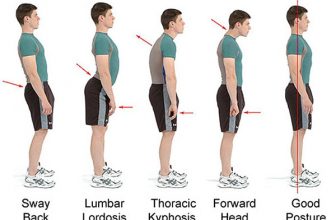
Yoga and stretching can make you look taller by correcting a forward-leaning posture and loosening tight hip flexors. That’s a real, visible change. It just isn’t bone growth.
Does Lifting Weights Make You Taller or Stunt Growth?
Lifting weights doesn’t make you taller, and properly supervised resistance training doesn’t stunt growth either. This is one of the most persistent myths in the gym, and it’s worth putting to rest with actual evidence.
Can Weightlifting Stunt Your Growth?
Weightlifting does not stunt growth when it’s done with proper form and supervision. Research reviewed by the American Academy of Pediatrics found that well-designed resistance training programs have not shown a negative effect on growth plate health or linear growth in children and adolescents.
The old fear came from a misunderstanding about growth plate injuries, not from training itself.
Does Strength Training Affect Growth Plates?
Strength training can injure growth plates only through acute trauma, like dropping a loaded bar, not through regular, well-coached lifting. The distinction matters. A supervised program with age-appropriate loads carries roughly the same injury risk as most other youth sports, and some data suggest it’s lower.
If you want more on this specific question, we’ve covered whether weight training stunts a child’s growth in more detail elsewhere.
Are Squats and Deadlifts Safe for Teenagers?
Squats and deadlifts are safe for teenagers when technique is taught properly and loads increase gradually. The AAP specifically advises against maximal single-rep lifts for skeletally immature lifters, not because the movements themselves are dangerous, but because form tends to break down under near-max loads.
How Can Teens Lift Weights Safely?
Teens should start with bodyweight and light-load movements, learn technique before adding weight, and train under qualified supervision. A coach-to-student ratio of roughly 1 to 10 or better is a reasonable benchmark used in pediatric sports medicine settings.
Can Stretching, Hanging, or Yoga Make You Taller?
Stretching and hanging cannot permanently increase your height. What they can do is temporarily decompress your spine and correct posture, both of which affect measured height by a small, non-permanent amount.
Does Hanging From a Pull-Up Bar Increase Height?
Hanging from a bar doesn’t increase height in any lasting way. It does decompress the spine briefly by relieving pressure between vertebral discs, which can add a fraction of an inch that disappears within hours.
Can Stretching Your Spine Make You Taller?
Stretching your spine won’t make you taller, but it can temporarily reverse the natural compression that happens over a day of standing and sitting. This is the same reason people measure slightly shorter at night than in the morning.
Which Yoga Poses Help Improve Posture?
Poses like cobra, cat-cow, and mountain pose help improve posture by lengthening the spine and opening the chest and hips. Better posture is a real, visible change. It’s worth doing for that reason alone, apart from any height claims.
How Much Taller Can Better Posture Make You Look?
Better posture can make you look up to an inch taller by correcting rounded shoulders and a forward head position. That’s an apparent-height change, not an actual increase in skeletal length.
What Factors Determine How Tall You Can Grow?
Genetics determines most of your final height, accounting for roughly 80% of the variation between individuals, according to MedlinePlus Genetics. Nutrition, sleep, hormone levels, and overall health fill in the remaining gap.
How Much Does Genetics Affect Height?
Genetics sets the ceiling for how tall you can get, inherited from both parents in a complex, polygenic pattern involving hundreds of genes. This is why short parents can still have tall children, and why two tall parents occasionally end up with an average-height kid.
What Role Do Growth Hormones Play?
Growth hormone, released by the pituitary gland, drives the growth spurts of childhood and puberty by stimulating the growth plates directly. Thyroid hormone and sex hormones work alongside it to regulate the timing and pace of growth.
When Do Growth Plates Close?
Growth plates typically close between ages 14 and 16 in girls and 16 and 18 in boys, though the exact timing varies by individual. Skeletal maturity depends more on biological development than on a specific birthday.
Can Poor Nutrition or Health Conditions Limit Growth?
Poor nutrition and certain health conditions can prevent a child from reaching their full genetic height potential. Chronic deficiencies in protein, calcium, or vitamin D, along with untreated hormonal or thyroid disorders, are among the more common culprits.
How Can You Support Natural Growth Through Exercise, Sleep, and Nutrition?
Supporting natural growth during the growing years comes down to three things working together: enough of the right nutrients, enough sleep, and regular movement. None of them works in isolation.
What Foods Support Healthy Bone Growth?
Calcium, vitamin D, and protein are the core nutrients for healthy bone growth, found in foods like milk, fortified cereal, eggs, beans, and yogurt. A teenager skimping on these during a growth spurt is working against their own biology.
How Much Sleep Do Teenagers Need for Healthy Development?
Teenagers need 8 to 10 hours of sleep a night for healthy development, since growth hormone is released in pulses during deep sleep. Chronically short sleep can blunt that hormonal release over time.
How Often Should Teens Exercise?
Teens should get at least 60 minutes of moderate to vigorous activity most days, per general physical activity guidelines, with some of that time spent on bone-strengthening and muscle-strengthening activities. More isn’t automatically better here.
Why Do Rest Days and Recovery Matter?
Rest days matter because muscle and bone adapt during recovery, not during the workout itself. Overtraining without adequate recovery can actually interfere with normal development in young athletes.
Does Working Out Make You Taller at 14, 16, 18, or 21?
The answer depends entirely on whether your growth plates are still open, not on your exercise routine. Age is a rough guide here, not a rule.
Does Working Out Make You Taller at 14?
At 14, many teens are still in an active growth phase, and exercise during this window supports the growth already happening. It still isn’t the exercise causing the height gain.
Can You Grow Taller by Working Out at 16?
At 16, some teens, especially boys, still have open growth plates and continue growing into their late teens. Working out supports that process without driving it.
Does Exercise Increase Height at 18?
At 18, most people have reached or are very close to their final adult height, though some continue growing slightly into their early twenties. Exercise at this stage builds fitness, not additional height.
Can You Grow Taller After 21?
Growing taller after 21 is extremely unlikely, since growth plates in the vast majority of adults have fully fused by this age. Any perceived height change after 21 is almost always posture-related.
How Can You Tell If You Are Still Growing?
You can tell if you’re still growing by tracking your height consistently over several months and comparing it to standard growth references. A single measurement tells you almost nothing.
How Do You Track Height Growth Accurately?
Track height at the same time of day, against the same wall, using the same method, roughly every two to three months. Morning measurements tend to be slightly taller than evening ones due to spinal compression over the day.
Can a Growth Plate X-Ray Show Whether You Can Still Grow?
A bone age X-ray, typically of the left hand and wrist, can show a doctor whether your growth plates are still open. This is a clinical tool, not something to pursue casually out of curiosity.
When Should You See a Doctor About Your Height?
See a doctor if growth suddenly slows, stops well before expected, or falls off the percentile curve on a pediatric growth chart. A pediatrician or pediatric endocrinologist can evaluate whether an underlying condition is involved.
Frequently Asked Questions About Working Out and Height
Can push-ups make you taller?
No. Push-ups build chest, shoulder, and core strength, and they can improve posture, but they don’t lengthen bones.
Does running every day increase height?
No. Daily running supports cardiovascular fitness and bone density, which matters for healthy development, but it doesn’t add height on its own.
Can working out make you shorter?
Not permanently. Heavy loading can temporarily compress spinal discs, the same way standing all day does, and height bounces back with rest.
How long does it take to grow taller from exercise?
There’s no timeline, because exercise alone doesn’t cause additional height gain in someone whose growth plates are already closed. Posture improvements can show up in weeks; actual growth depends entirely on where you are in puberty.
Does stretching before bed help you grow?
Stretching before bed can help you relax and may support better sleep quality, which indirectly supports the growth hormone release tied to deep sleep. It isn’t lengthening anything directly.
Is it true that tall athletes prove certain sports make you taller?
No. Tall people are more likely to succeed in sports like basketball and volleyball, which makes it look like the sport caused the height. The selection happens the other way around.
Final Thoughts
Exercise plays a real supporting role in healthy growth, but it isn’t the lever that determines how tall someone ends up. Genetics sets the range, nutrition and sleep fill in the gap, and exercise keeps the whole system functioning the way it should during the years growth plates are still open.
Once those plates close, no workout changes that number. What a solid routine still gets you is better posture, stronger bones, and a body that’s working with its full genetic potential instead of against it.





Thank you for the auspicious writeup It in fact was a amusement account it Look advanced to far added agreeable from you However how can we communicate