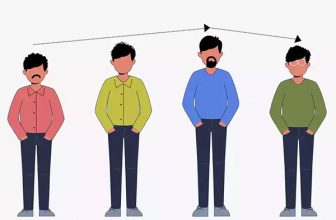

Sleeping 8 to 10 hours with proper spinal alignment can temporarily improve posture-related height by 1 to 2 centimeters within days, especially if tight hips, compressed discs, and poor sleep habits have been reducing natural standing height. That’s the part most people miss when chasing “quick height growth” online.
Actual bone lengthening does not happen in one week for adults. A 2023 Mayo Clinic review confirmed that growth plates close after puberty in most people, which stops natural skeletal height gain. But posture correction, spinal decompression, flexibility work, inflammation control, and sleep optimization can noticeably improve how tall you look and measure in a short period.
Some people gain nothing because they focus only on stretching videos. Others suddenly appear taller after fixing pelvic tilt, reducing slouching, and improving sleep quality for seven straight days. The difference often shows up in the spine first.
Understanding What “Increase Height Quickly” Really Means
Most short-term height changes come from posture and spinal decompression, not sudden bone growth. During the day, spinal discs compress under body weight. A 2022 NIH review noted that spinal disc compression can reduce measured height by up to 1.9 centimeters between morning and evening in healthy adults.
That explains why many people feel taller after waking up.
If your posture stays collapsed all day — rounded shoulders, tight hip flexors, forward neck position — natural standing height gets hidden. Seven focused days can improve that dramatically. Teenagers still in puberty may see slightly better long-term potential because growth plates remain active, particularly between ages 12 and 18.
Adults usually notice visual changes faster than actual measurement changes. Straighter posture changes photographs, mirror appearance, clothing fit, and confidence almost immediately.
1. Sleep Longer and Fix Sleeping Position
Deep sleep drives growth hormone release. A 2021 Endocrine Society report found that peak human growth hormone secretion happens during slow-wave sleep, particularly within the first few sleep cycles.
Most people sabotage this process with terrible sleep posture.
Sleeping on the stomach compresses the lower spine and twists the neck. Side sleeping with knees tightly curled also shortens the torso overnight. Back sleeping with a thin pillow under the knees keeps the spine more neutral and reduces morning stiffness.
A practical adjustment that tends to work quickly:
- Sleep 8 to 10 hours
- Use a medium-firm mattress
- Keep the neck level with a low pillow
- Avoid screens 60 minutes before bed
- Keep bedroom temperature around 18–20°C according to Sleep Foundation guidance updated in 2024
People chasing rapid height changes often underestimate sleep quality because stretching feels more active. But poor sleep quietly blocks recovery, posture improvement, and muscle relaxation.
2. Use Hanging Exercises to Decompress the Spine
Dead hangs create temporary spinal decompression by reducing pressure between vertebrae. Gymnasts and swimmers often appear taller partly because their training repeatedly lengthens and unloads the spine.
A simple hanging routine works better than endless random stretches:
Basic 7-Day Hanging Routine
- Hang from a pull-up bar for 20–30 seconds
- Repeat 4 to 6 times daily
- Relax shoulders instead of gripping aggressively
- Keep breathing steady
People with tight lower backs usually feel immediate relief after the second or third session. Height gains remain temporary unless posture improves too, but even temporary decompression can improve standing measurements within days.
One common mistake: swinging aggressively during hangs. That compresses the lower back again and irritates the shoulders.
3. Fix Forward Head Posture and Rounded Shoulders
Forward head posture can steal visible height surprisingly fast. Every inch the head shifts forward increases strain on the cervical spine significantly, according to a 2023 Cleveland Clinic posture review.
Most “height increase” before-and-after photos online are really posture transformations.
The fastest corrections usually come from:
- Chin tucks
- Wall slides
- Thoracic spine stretches
- Chest-opening mobility drills
Desk workers often gain the biggest visual improvement because laptop posture shortens the upper body all day. A slouched torso collapses your frame the same way compressed luggage shrinks under pressure.
And there’s another detail rarely mentioned: weak glutes contribute heavily to upper-body collapse. Tight hips pull the pelvis forward, which drags the spine out of alignment from the bottom upward.
4. Eat Foods That Support Growth Hormone Production
Food won’t add inches in seven days, but inflammation reduction and better recovery noticeably improve posture, muscle function, and spinal comfort.
Protein intake matters most.
A 2020 Harvard School of Public Health nutrition review found that adolescents with adequate protein intake showed stronger growth outcomes than protein-deficient groups, particularly when paired with sufficient calcium and vitamin D.
Foods that tend to support recovery and posture include:
| Food | Key Nutrient | Short-Term Benefit | Practical Observation |
|---|---|---|---|
| Eggs | Protein + Vitamin D | Muscle recovery | Easier morning mobility |
| Greek yogurt | Calcium + protein | Bone support | Reduces hunger swings |
| Salmon | Omega-3 fats | Lower inflammation | Better joint comfort |
| Spinach | Magnesium | Muscle relaxation | Less stiffness overnight |
| Pumpkin seeds | Zinc | Hormone support | Often overlooked in height diets |
Processed sodium-heavy meals increase water retention and spinal stiffness in some people. Fast food binge weekends often lead to tighter hips and lower-back compression by Monday morning.
5. Stretch the Hip Flexors Every Day
Tight hip flexors pull the pelvis forward into anterior pelvic tilt. That posture issue alone can make the stomach protrude while shortening visible standing height.
People who sit for 8 to 10 hours daily usually develop this pattern without noticing.
The fastest stretches for this issue:
- Kneeling hip flexor stretch
- Couch stretch
- Deep lunge hold
- Psoas release with foam roller
A lot of online stretching routines waste time with random yoga poses that barely target the hips. Focused hip mobility changes posture faster because the pelvis controls spinal positioning underneath everything else.
Morning stiffness often decreases after three to four consistent days.
6. Sprint Instead of Endless Cardio
Short sprint intervals stimulate muscle activation and growth hormone release more effectively than long slow jogging sessions. A 2020 Sports Medicine review found high-intensity interval training increased acute growth hormone response significantly compared to moderate steady-state exercise.
For height appearance, sprinting improves:
- Leg definition
- Hip extension
- Posture mechanics
- Core engagement
People doing only treadmill jogging often stay tight and hunched afterward. Sprint drills open the hips and activate the posterior chain more aggressively.
A practical weekly setup:
- 20-second sprint
- 60-second walk
- Repeat 8 rounds
- Train 3 days during the week
Recovery matters here because exhausted muscles tighten the spine again.
7. Reduce Spinal Compression During the Day
Many people stretch perfectly, then ruin the benefit six hours later with terrible sitting habits.
Daily compression adds up quietly.
Simple adjustments create visible improvements fast:
- Keep screens at eye level
- Stand every 30 minutes
- Use lumbar support
- Avoid carrying heavy backpacks on one shoulder
- Wear flatter shoes indoors
Heavy lifting with poor form also compresses the spine aggressively. Squatting with rounded lower back posture tends to increase tightness instead of helping alignment.
One underrated trick involves walking immediately after sitting long hours. Five minutes of relaxed walking resets hip positioning better than staying seated all evening.
8. Improve Vitamin D and Calcium Intake
Vitamin D deficiency remains extremely common. A 2022 NIH report estimated roughly 35% of U.S. adults had insufficient vitamin D levels, though regional variation exists.
Low vitamin D affects:
- Bone mineralization
- Muscle recovery
- Posture stability
- Joint comfort
Sunlight exposure helps, especially during morning hours. Many people spending entire days indoors notice constant stiffness and fatigue alongside poor posture.
Calcium matters too, but calcium without vitamin D absorbs poorly. That combination gets ignored constantly in social media “height hacks.”
Good combinations include:
- Sardines with bones
- Fortified milk
- Yogurt with chia seeds
- Eggs plus sunlight exposure
Teenagers with active growth plates benefit the most from correcting deficiencies early.
9. Avoid Height-Loss Habits Most People Ignore
Some habits quietly reduce visible height every single day.
Smoking damages bone health and collagen production. A 2021 CDC review linked smoking with reduced bone density and poorer spinal disc health over time.
Alcohol overuse also affects recovery and sleep quality.
Another hidden issue involves ultra-soft mattresses. People sink into them overnight, especially around the hips, which increases lower-back compression by morning.
Even shoe choices matter. Completely flat unsupportive shoes sometimes worsen posture in people with collapsed arches. Slight arch support often improves alignment more naturally than thick elevated sneakers pretending to add height.
10. Track Morning Height Instead of Evening Height
Height fluctuates naturally during the day. Measuring at random times creates confusion and fake expectations.
Morning measurements give the most accurate comparison.
Use this process:
- Measure immediately after waking
- Stand against a flat wall
- Keep heels, shoulders, and head aligned
- Repeat for seven mornings
People usually discover posture improvements this way because the body stands straighter automatically after a week of decompression and mobility work.
A realistic short-term result:
- Better posture appearance within 3–7 days
- Temporary height increase up to 1–2 centimeters from decompression
- Improved standing confidence immediately
Permanent bone growth in one week does not happen naturally in adults.
Comparison Table: Fastest Methods vs Realistic Results
| Method | Speed of Visible Change | Temporary or Long-Term | Difficulty Level | Practical Reality |
|---|---|---|---|---|
| Hanging exercises | Fast | Temporary unless posture improves | Easy | Noticeable spinal relief quickly |
| Sleep optimization | Medium-fast | Long-term support | Moderate | Often underestimated |
| Posture correction | Very fast | Long-term if maintained | Moderate | Biggest visual difference |
| Sprint training | Medium | Long-term support | Hard | Helps posture mechanics |
| Stretching only | Slow alone | Limited alone | Easy | Overhyped online |
| Elevator shoes | Instant | Artificial | Easy | Common social shortcut |
| Nutrition upgrades | Slow | Long-term | Moderate | More useful for teenagers |
Posture correction consistently creates the fastest visible improvement because it changes how the body stacks vertically from head to pelvis.
Common Myths That Waste Time
“Drink milk and grow taller overnight” still circulates online despite no evidence supporting sudden adult height increases from dairy alone.
Another misleading trend involves “height pills.” Most contain amino acids, herbs, or minerals without clinical proof of measurable adult height growth. A 2024 FDA supplement advisory warned consumers about unverified growth supplement claims sold through social media platforms.
Extreme stretching routines also backfire. Aggressive flexibility training can irritate joints and tighten muscles afterward, especially in beginners forcing deep positions too quickly.
The people seeing the best short-term results usually combine:
- Better sleep
- Daily decompression
- Hip mobility
- Posture correction
- Reduced sitting time
That combination changes body alignment surprisingly fast.
Conclusion
The fastest way to appear taller within one week involves improving posture, decompressing the spine, sleeping deeply, and reducing daily compression habits rather than chasing impossible bone growth promises. Most adults notice visible changes through straighter alignment and reduced spinal tightness, while teenagers may support natural growth more effectively with better sleep, nutrition, and recovery habits.
For the clearest before-and-after comparison, measure height immediately after waking on day one and again after seven days of consistent posture correction and spinal decompression exercises.