
If you’ve ever typed this question into a search bar at 2am, you’re not alone. Millions of teenagers and young adults ask the same thing every year, usually because someone at school said something, or they stumbled across a forum post that made the claim sound almost convincing.
The short answer is no. Masturbation does not stunt your growth. But the longer answer is actually more interesting, because it explains why this myth has survived for so long — and what actually determines how tall you’ll end up being.
Can Masturbation Stunt Your Growth? The Short Answer
There is no credible scientific evidence linking masturbation to reduced height or stunted physical development. None. Not a single peer-reviewed study has found a causal relationship between the two.
Your height is determined by factors that have nothing to do with sexual behavior. Growth happens at specific sites in your bones called growth plates, and those plates respond to genetics, hormones, nutrition, and sleep — not to masturbation.
What Medical Research Says
Major medical organizations — including the American Academy of Pediatrics and the World Health Organization — consistently classify masturbation as a normal, healthy part of human development. The scientific consensus is clear: it doesn’t interfere with bone growth, hormone production in ways that affect height, or any other physical developmental process.
So where does the myth come from? Mostly from a combination of outdated medical thinking, cultural stigma, and the internet’s ability to spread misinformation faster than corrections can catch up. More on that in a moment.
What Actually Determines Your Height?
Height isn’t a single-variable equation. It’s more like a recipe with several ingredients, and missing one can affect the final result — but masturbation isn’t an ingredient at all.
Genetics Plays the Biggest Role
Roughly 60 to 80 percent of your final adult height is determined by the genes you inherited from your parents. If both parents are on the shorter side, the odds are your ceiling is lower too — and that’s not a health problem, just biology.
There’s a rough formula pediatricians sometimes use: add both parents’ heights, adjust by about 5 inches depending on whether you’re male or female, then divide by two. That gives a fairly accurate prediction of your adult height range.
Nutrition During Childhood and Adolescence
This one matters more than most teens realize. Protein is essential for tissue building, including bone tissue. Calcium and vitamin D support bone density and mineralization. Kids who grow up with consistent nutritional deficiencies — especially during early childhood — do tend to fall short of their genetic potential.
The good news: if your diet is reasonably balanced, your bones are getting what they need.
Sleep and Growth Hormone
Human growth hormone (HGH) is released in pulses during deep sleep. This isn’t a small detail — it’s one of the primary mechanisms by which your body physically grows during adolescence. Consistently poor sleep, especially during the peak growth years, can blunt how much HGH you produce each night.
Most adolescents need somewhere between 8 and 10 hours of sleep. That number feels almost absurd given school schedules, but the biology doesn’t negotiate.
Physical Activity and Bone Health
Weight-bearing exercise — running, jumping, resistance training — puts stress on bones in a way that encourages them to grow denser and stronger. This matters most during the years before growth plates close, which typically happens in the late teens to early twenties.
How Puberty Changes the Body
Puberty is the window where most height growth happens, and it’s also the period where confusion about masturbation is most common. That’s not a coincidence.
Hormonal Changes
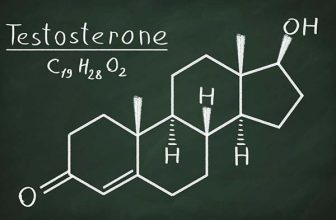
During puberty, the pituitary gland ramps up production of hormones that trigger nearly every physical change you notice. In males, testosterone surges. In females, estrogen rises. Both hormones influence growth — testosterone in particular drives the growth spurt in boys and also causes the eventual closing of growth plates.
Growth Spurts
Boys typically experience their major growth spurt between ages 12 and 15. Girls tend to hit theirs a couple of years earlier, usually between 10 and 13. During peak growth, it’s not unusual to gain 3 to 4 inches in a single year.
This rapid physical change happens at the same time sexual development begins — including the point where masturbation typically starts. The coincidence of timing is probably one reason the myth got started in the first place. People noticed the two things happening at once and assumed one caused the other.
Sexual Development
Masturbation is a normal part of adolescent sexual development. It doesn’t indicate something is wrong, and it doesn’t interfere with normal puberty progression. The hormones involved in sexual arousal and orgasm — dopamine, oxytocin, briefly elevated prolactin — don’t suppress growth hormone or interfere with bone development.
Why People Believe Masturbation Affects Growth
The myth didn’t just appear online. It has roots that go back centuries.
Historical Beliefs
In the 18th and 19th centuries, Western medicine had a deeply negative view of masturbation. Physicians blamed it for everything from blindness to insanity to physical weakness. A Swiss physician named Samuel Tissot published an influential 1760 treatise arguing that “seminal loss” caused a range of physical ailments. These ideas weren’t based on evidence — they were based on religious and moral frameworks dressed up in medical language.
Internet Myths
Fast-forward a few hundred years, and those ideas found a new home online. Forums, bodybuilding communities, and wellness-adjacent spaces have recycled versions of the same claim: that masturbation depletes testosterone, causes weakness, or stunts development. The language sounds more modern, but the evidence base is just as thin.
Cultural and Religious Influences
In some cultural and religious traditions, masturbation is considered morally problematic. That’s a values question, not a medical one — and conflating moral disapproval with physical harm has a long history in health misinformation. People who grow up hearing that something is wrong sometimes assume it must also be physically harmful, even when no evidence supports that conclusion.
Are There Any Real Side Effects of Masturbation?
It’s fair to ask whether masturbation has any effects at all — even if they’re not related to height.
What’s Considered Normal?
For most people, masturbation is simply a normal behavior with no significant side effects. There’s no medically established “healthy” frequency. What’s typical varies enormously from person to person, and neither daily nor occasional masturbation is inherently problematic.
When It May Become a Problem
The line tends to be functional: if masturbation starts interfering with daily responsibilities, relationships, work, or causes emotional distress, that’s worth paying attention to. Compulsive sexual behavior — where urges feel uncontrollable — is a real condition, but it’s categorically different from ordinary masturbation.
Mental and Emotional Health
Some people feel guilt or shame afterward, often because of the cultural and religious contexts they grew up in. That emotional distress is real, even if the physical harm isn’t. Addressing the mental and emotional side is just as important as getting the facts straight.
Healthy Habits That Actually Support Growth
Since masturbation isn’t on the list of things that affect height, here’s what actually is:
| Factor | Why It Matters | What to Do |
|---|---|---|
| Genetics | Sets your height ceiling | Can’t change it — work with it |
| Nutrition | Fuels bone development | Prioritize protein, calcium, vitamin D |
| Sleep | Drives HGH release | Aim for 8-10 hours during adolescence |
| Exercise | Supports bone density | Include weight-bearing activity regularly |
| Stress management | Chronic stress can disrupt hormones | Build in recovery time |
Personal note on this table: the sleep row is the one most teens underestimate. Everything else people sort of know — but consistently getting 9 hours of sleep feels genuinely hard when life is full. The data, though, is pretty compelling about how much it matters.
Eat a Balanced Diet
Lean proteins — chicken, eggs, legumes, fish — give your body the amino acids it needs to build new tissue. Dairy products and leafy greens provide calcium. Fatty fish and fortified foods supply vitamin D, which helps your body actually absorb that calcium. For teens who struggle to get consistent nutrition from food alone, a supplement designed for adolescent development, like NuBest Tall, can help fill nutritional gaps — particularly calcium, vitamin D, and other micronutrients that support bone health during peak growth years.
Get Enough Sleep
The connection between sleep and growth hormone isn’t subtle. Studies consistently show that HGH secretion is highest during slow-wave sleep. Pulling late nights during growth years isn’t just tiring — it’s actively working against your biology.
Stay Active
Running, basketball, soccer, resistance training — anything that loads the bones helps. Activities that keep you sedentary for long stretches don’t offer the same skeletal benefit.
Manage Stress
Chronic stress elevates cortisol, and elevated cortisol over long periods can suppress growth hormone. It’s not the most common cause of growth issues, but it’s real. Regular downtime, adequate social connection, and activities that feel restorative matter more than people give them credit for.